Thinking about moving to Durango and wondering what daily life really feels like? You want mountain views, access to the outdoors, and a real community, not just a resort town. In this guide, you’ll get a clear picture of neighborhoods, seasons, costs, amenities, and the practical details you should know before you buy or relocate. Let’s dive in.
Durango at a glance
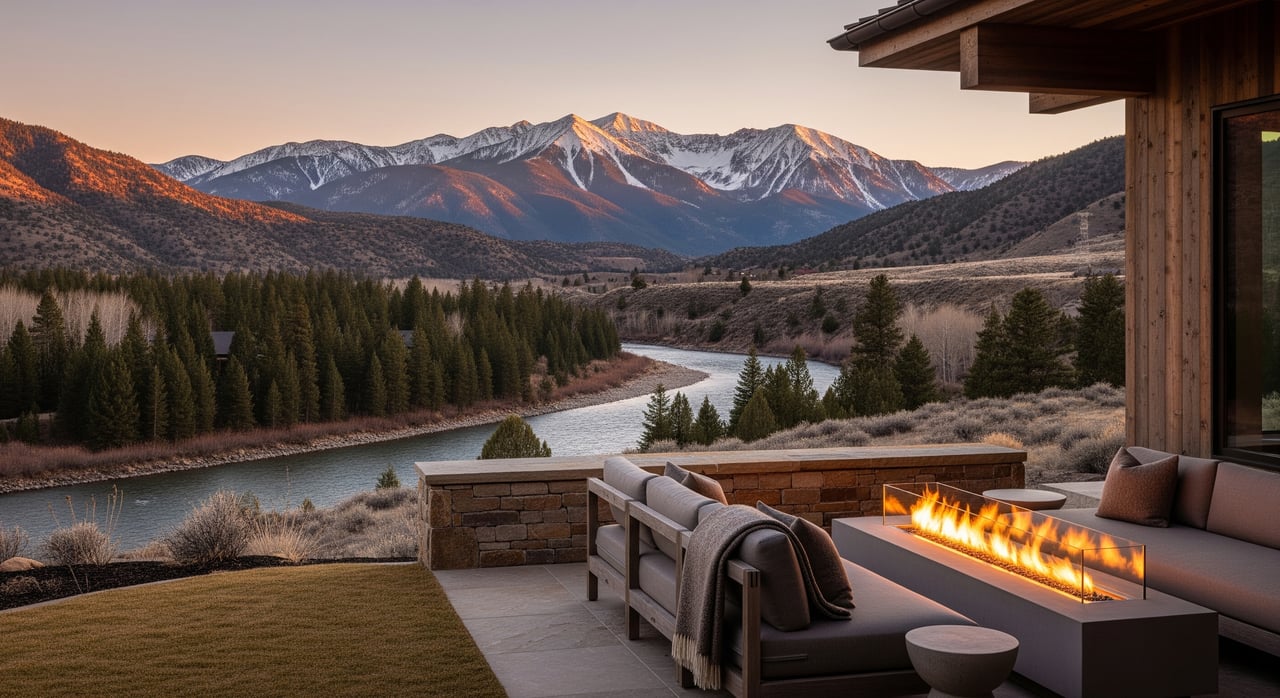
Durango is a small mountain city of roughly 19,000 people within La Plata County in southwestern Colorado. It sits at about 6,500 feet in a valley shaped by the Animas River and surrounded by the San Juan Mountains. You’ll notice a true mix of students, working professionals, and retirees, which adds energy to the culture year-round.
The local economy blends tourism, health care, education, construction, and small business. You’ll feel the outdoorsy vibe, especially on weekends and during peak seasons. In summer and around ski holidays, downtown gets busy; shoulder seasons are quieter and feel more local.
Neighborhoods and housing styles
You’ll find an appealing range of home types in and around the city. In the historic core near Main Avenue, housing includes condos, townhomes, bungalows, and older Victorian homes. This area is great if you value walkability and being close to shops, coffee, and dining.
Established residential neighborhoods offer single-family homes built across the 20th century, often with tree-lined streets and varied lot sizes. Some blocks have sidewalks and bike routes that make it easy to reach parks and downtown without a long drive.
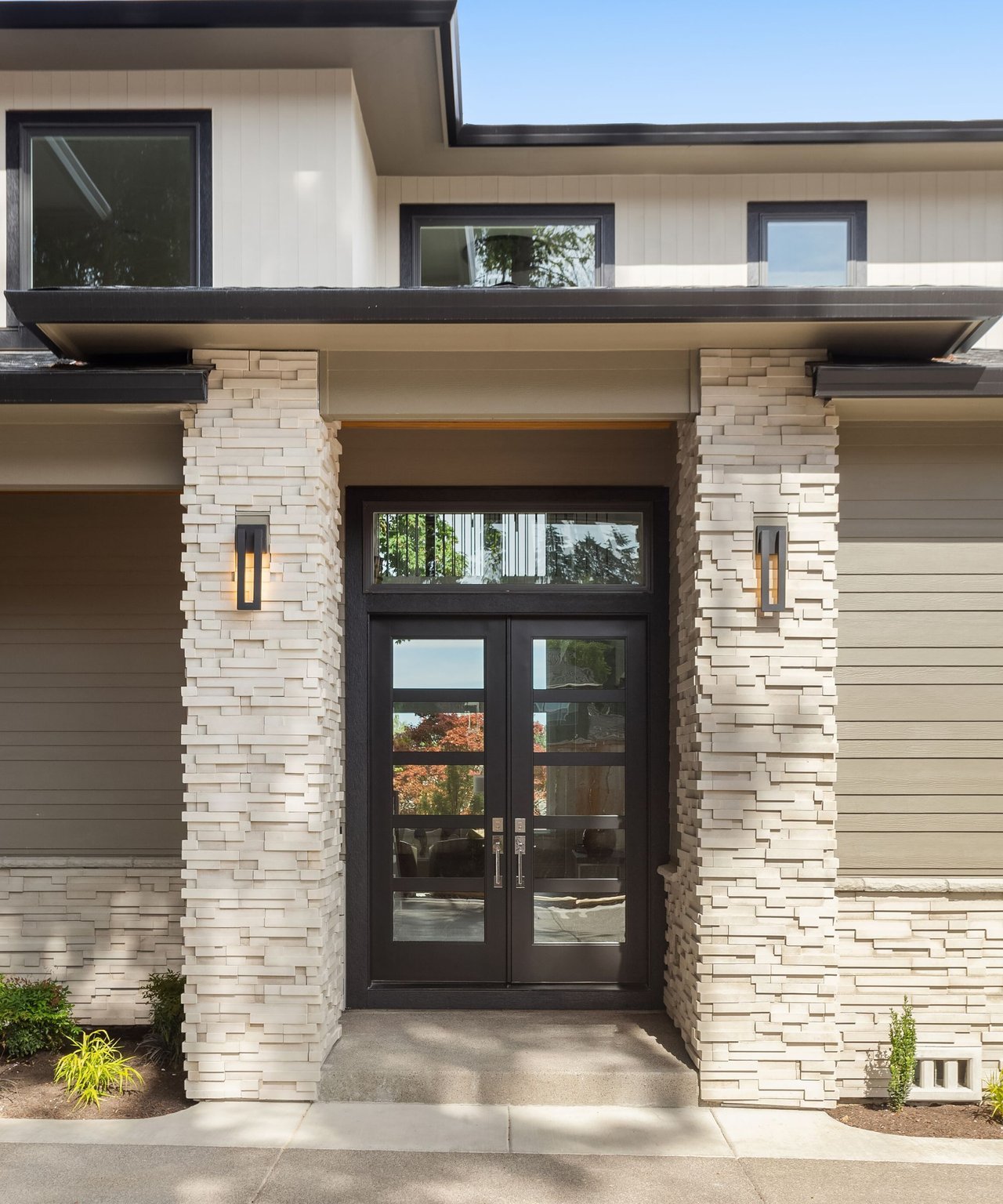
North and east of the core, newer subdivisions provide more recent construction and modern amenities. If you want a newer home and relative value compared to the center of town, these areas are worth a look.
Beyond city limits, rural and mountain properties include cabins, acreage, and homes oriented to ski-area access. These deliver privacy and views, though they come with seasonal access considerations, road maintenance questions, and additional upkeep.
Cost and market reality
Housing costs in Durango and La Plata County generally exceed national averages and tend to run above Colorado’s statewide medians. Prices vary based on proximity to downtown, views, lot size, and home condition. A mix of local demand, second-home buying, and remote-work relocations has tightened inventory in many segments.
If you plan to rent before you buy, know that rentals can be competitive, especially during peak seasons. Short-term rentals also affect availability in some neighborhoods, which may shape your timing.
For affordability, consider smaller single-family homes, condos or townhomes, and newer subdivisions outside the core. Some buyers also explore nearby communities within La Plata County to find a strong fit for budget and lifestyle.
Downtown and daily conveniences
Main Avenue is your walkable heart of town. You’ll find independent shops, galleries, breweries, and a range of restaurants from casual to upscale. The riverwalk along the Animas adds a scenic way to move through town on foot or bike.
Expect more crowds during summer and winter holiday periods. In spring and fall, downtown feels calmer with easier parking and shorter wait times. Daily errands are straightforward, with a mix of local businesses and national retailers; drive times vary depending on your neighborhood.
Schools and healthcare
Public schools operate within Durango School District 9-R, and you’ll find local private options as well. Fort Lewis College brings higher education opportunities and cultural programming to the area. Because availability and school details can change, you should review current district maps and confirm the latest information before you decide on a neighborhood.
For healthcare, Mercy Regional Medical Center and local clinics cover many primary and acute needs. Some specialized care may require travel to larger regional centers, so factor that into your planning if you need specific services.
Seasons and weather
You’ll experience four distinct seasons. Summers are warm with afternoon monsoon thunderstorms. Spring and fall are dry and sunny, which is perfect for hiking and biking. Winters bring snow, with heavier accumulation at higher elevations than you’ll see downtown.
At 6,500 feet, daily temperature swings are larger, UV exposure is higher, and winter driving can be part of life, especially outside city limits. If you choose a home on a hill or along a private road, ask about snow removal and who pays for plowing.
Outdoor lifestyle and access
If you value easy outdoor access, Durango delivers. Trails for hiking and mountain biking ring the city, and the Animas River offers rafting, kayaking, and fishing. Public lands and the San Juan National Forest are close enough for frequent after-work adventures.
Durango Mountain Resort, often called Purgatory, is your nearby hub for downhill skiing and year-round mountain recreation. Mesa Verde National Park is a regional day trip with extraordinary archaeological sites. The Durango & Silverton Narrow Gauge Railroad adds a unique historical experience and brings a steady flow of visitors.
In peak seasons, plan for trailhead parking and possible seasonal closures. Many locals build routines around early starts or shoulder-season outings to keep access easy.
Natural considerations
With surrounding forests, wildfire risk can increase during dry years. You’ll want to learn about defensible space, home hardening, and insurance considerations, especially for rural or mountain properties. Air quality can be affected by wildfire smoke during active fire periods.
If you’re looking near the river, understand localized flood risk and consider reviewing flood maps for a specific property. For rural homes, check water sources, well and septic systems, and any private road agreements or maintenance responsibilities. These details matter for long-term comfort and cost.
Transportation and getting around
Durango is connected by U.S. highway corridors, and mountain passes can slow travel or close during winter storms. Driving to Denver typically takes 6 or more hours depending on route and weather. Albuquerque and Salt Lake City are also multi-hour drives.
Durango–La Plata County Airport offers regional service, with routes that shift by carrier and season. Within town, there is local transit and some regional bus options, but many residents rely on a personal vehicle, especially outside the walkable core.
Relocation checklist
Use this list to organize your move and home search:
- Define your lifestyle needs: walkability, views, acreage, or newer construction.
- Get pre-approved early, since inventory can be tight in some segments.
- Explore neighborhoods in both peak and shoulder seasons to see traffic and noise patterns.
- Verify internet options, especially for rural properties where broadband varies.
- Review snow and access: road grade, plowing responsibility, and garage/parking.
- Check roof age, insulation, heating systems, and drainage for mountain weather.
- Confirm well and septic details for rural homes, including testing and permits.
- Research short-term rental rules if income potential matters to you.
- Estimate property taxes and any special district assessments.
- Build a flexible moving timeline in case weather affects road conditions.
Is Durango a fit?
Here’s a quick way to self-check your match with Durango’s lifestyle:
What you’ll likely love
- Easy access to trails, river, and public lands.
- A walkable historic downtown with local food, art, and events.
- An active, outdoors-centered culture that still feels laid-back.
Tradeoffs to weigh
- Housing costs that run above many U.S. averages.
- Seasonal tourist crowds in summer and ski holidays.
- Winter driving and home maintenance suited to a mountain climate.
How we help
You deserve local guidance that is clear, responsive, and focused on your goals. Our family-led team helps you compare neighborhoods, understand the market, and plan a smooth transition from first tour to closing and beyond. If you’re starting to imagine your life here, reach out to Karen Overington for a friendly, real conversation about your next steps.
FAQs
What is daily life like in Durango?
- You get a small-city feel with a walkable downtown, strong outdoor access, and seasonal tourist energy that ebbs and flows with summer and ski periods.
How much does it cost to live in Durango?
- Housing costs generally exceed national averages and tend to run above Colorado medians, with prices varying by location, views, lot size, and home condition.
Which Durango neighborhoods are most walkable?
- The historic core near Main Avenue offers the strongest walkability, with condos, townhomes, and older single-family homes close to shops and dining.
What should I know about winter driving?
- Snow and ice can affect travel, especially outside the core; check road grade, plowing responsibilities, and consider vehicles and tires suited to winter conditions.
Are short-term rentals allowed in Durango?
- Rules vary by city and county and can change; verify current regulations and licensing requirements for any property you’re considering.
How is healthcare access in Durango?
- Mercy Regional Medical Center and local clinics handle many needs, while some specialized care may involve travel to larger regional centers.
What about schools in Durango?
- Public schools operate within Durango School District 9-R; because details change, review current district maps and confirm the latest information for your grade level.
Is remote work realistic in rural areas?
- Broadband in town is improving, but rural internet options vary; confirm provider coverage and speeds at the address before you commit.