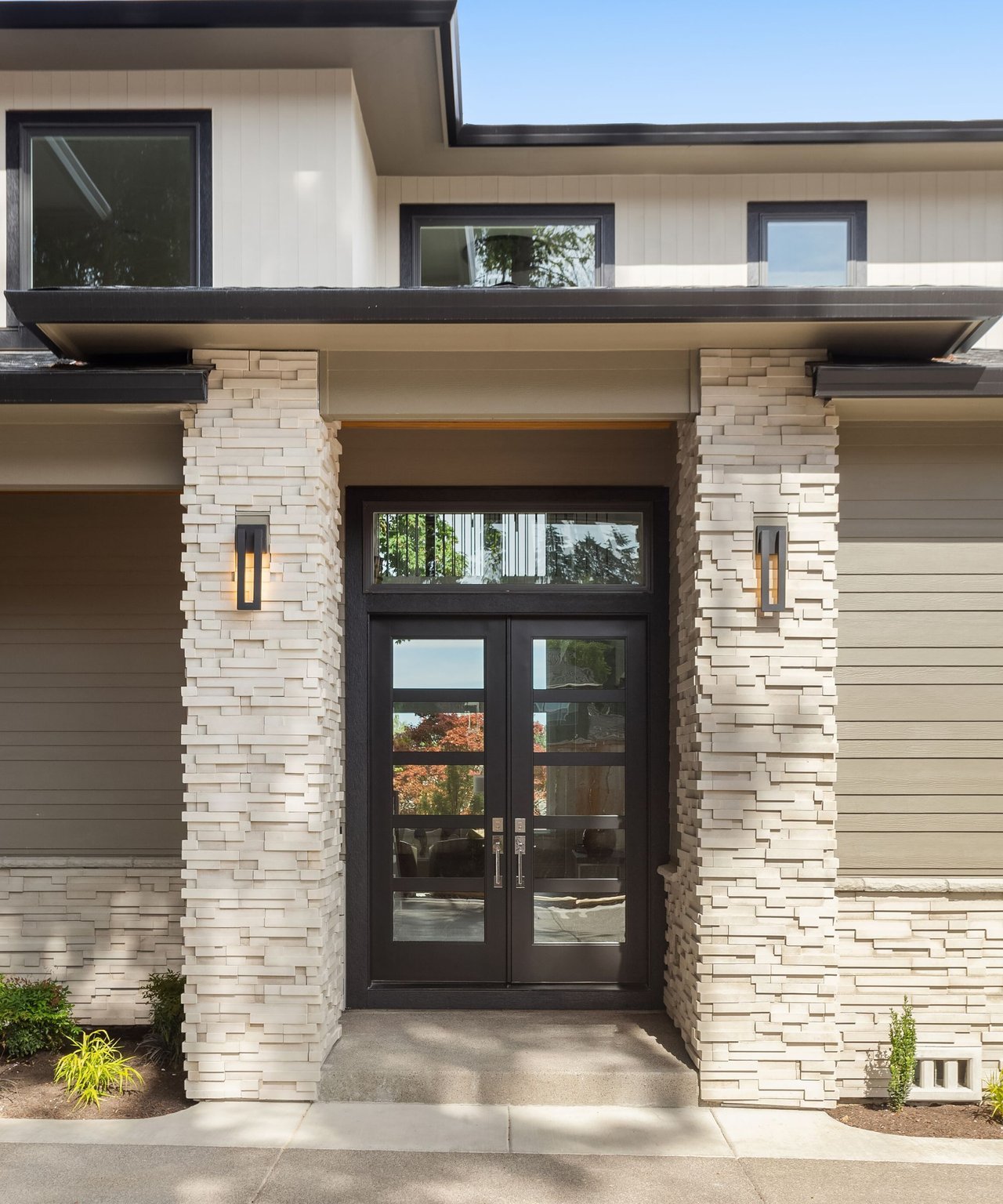
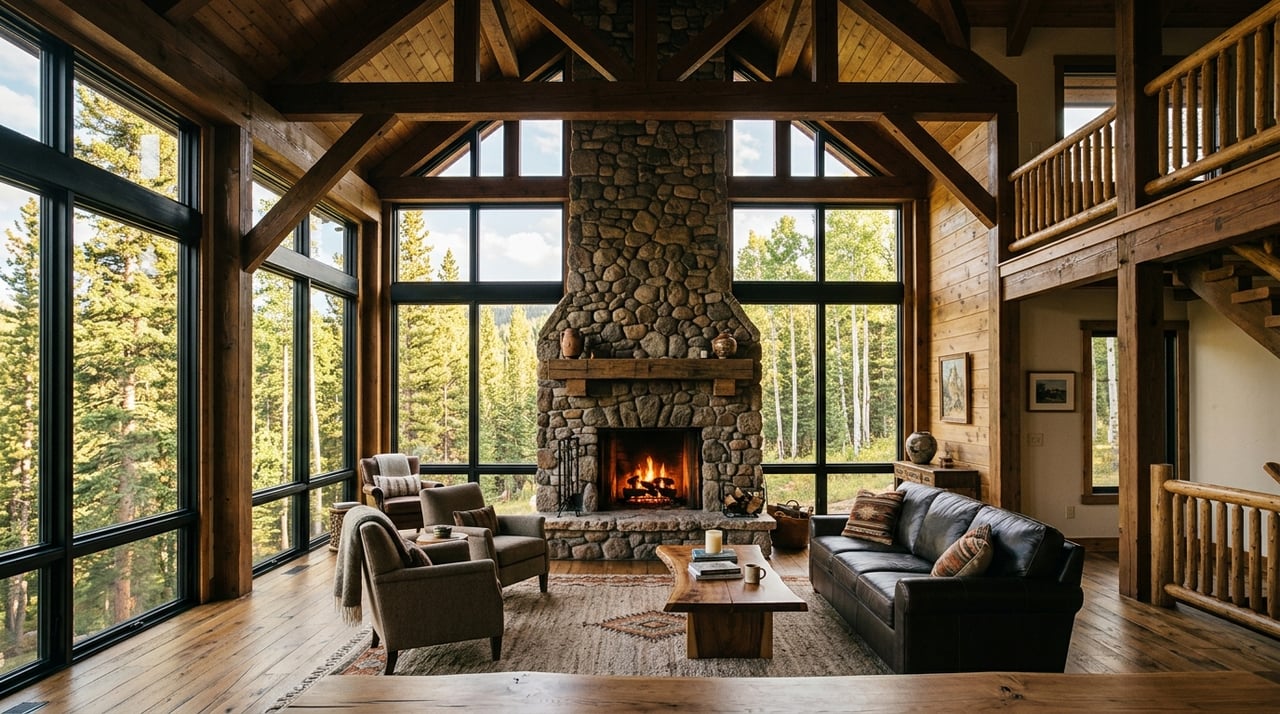
Dreaming about a mountain cabin that gives you quick access to fishing, hiking, ski days, and scenic drives across Southwest Colorado? Rico offers exactly that kind of low-key appeal. If you want a place that feels more like a true adventure basecamp than a busy resort, this small town deserves a closer look. Let’s dive in.
Why Rico works as a basecamp
Rico is small by any measure, with 288 residents counted in the 2020 Census. At 8,800 feet, it offers a true mountain setting with a compact scale that feels quiet, simple, and close to the landscape.
That small-town setup is part of the appeal. Rico’s official town resources point to a compact main street, a public library, the Rico Fire Protection District, and regional transportation connections. In other words, you are choosing a mountain town with a laid-back footprint, not a full-service resort environment.
Rico’s location in Southwest Colorado
One of Rico’s biggest strengths is where it sits. The town is located on CO 145 along the 236-mile San Juan Skyway, a state-maintained loop that connects Durango, Silverton, Ouray, Ridgway, Telluride, Ophir, Rico, Dolores, Cortez, and Mancos.
For a cabin owner, that means your weekend plans do not have to stay in one place. You can use Rico as a launching point for day trips, scenic drives, trail outings, fishing access, and ski days across a wide stretch of Southwest Colorado.
What part-time cabin life feels like
A Rico cabin is best understood as a four-season getaway with real mountain seasonality. Nearby Telluride 4WNW, at a similar elevation, averages 130.8 inches of snowfall each year and a mean annual temperature of 38.1°F.
That weather pattern shapes how many owners use the area. Summer brings mild temperatures that support long days outside, while winter becomes snow-dominant and much more dependent on road and access conditions.
Best seasons for Rico cabin use
For many buyers, Rico fits best as a place for:
- Long summer weekends
- Fall color trips
- Winter ski and snow-sport stays
- Repeat fishing and trail outings
The seasonal calendar supports that rhythm. Cayton Campground north of Rico is open from mid-May through September, and Telluride Ski Resort’s free gondola operates during the summer season from May 21 through October 25, 2026.
Outdoor access near Rico
If your goal is to spend more time outside, Rico has strong basecamp potential. The area around town connects you to high-country terrain, river access, and a broad mix of trail opportunities.
Rico Trails Alliance describes the area as part of the upper Dolores watershed, with trails for hiking, running, biking, and winter sports. That creates a nice match for buyers who want frequent, repeatable outdoor use rather than a cabin that sits empty between long vacations.
Hiking and mountain terrain
The nearby Lizard Head Wilderness covers 41,496 acres. According to the Forest Service, much of its trail mileage sits near or above timberline, and the wilderness includes three 14,000-foot peaks.
That tells you something important about the area. Rico is not just close to casual strolls and scenic overlooks. It is also near serious high-elevation terrain that appeals to people who want a true mountain setting.
Fishing and river access
Fishing is part of everyday recreation around Rico, not an afterthought. The Forest Service says Cayton Campground sits 6 miles north of Rico along the Dolores River, where fishing is especially popular in summer.
Colorado Parks and Wildlife describes the Dolores River fishery as producing quality rainbow and brown trout. For a cabin owner, that makes short fishing trips realistic, even when you are only in town for a few days.
Nordic and non-motorized trail potential
Rico also has meaningful winter-recreation potential beyond downhill skiing. Rico Trails Alliance says the planned RGS River Trail would extend 4.7 miles from town to the county line.
It is notable because the trail is described as the only non-motorized route groomed for nordic use within 18 miles of Rico. Future uses include nordic skiing, fat biking, and snowshoeing, which adds to the area’s appeal as a true four-season basecamp.
Ski access from Rico
Telluride is the major ski destination in the immediate region, and Rico gives you a practical home base for ski-focused trips. Telluride Ski Resort describes the area as offering world-renowned terrain, along with a free pedestrian gondola connecting the historic town and Mountain Village.
That setup can work well if you want a quieter home setting and access to ski days without owning directly in a resort market. In summer, the same regional access also makes mountain-town dining, events, and sightseeing easier to work into your stay.
What to know about winter travel
Winter access is one of the biggest realities to understand before you buy. A recent CDOT advisory for CO 145 between Rico and Telluride warned of lengthy delays and intermittent closures during winter maintenance operations.
CDOT also makes clear that traction laws can be activated on state highways when conditions require. If you are considering a Rico cabin, it helps to think ahead about vehicle readiness, arrival timing, and whether you are comfortable with mountain-road logistics in snowy conditions.
Why buyers are drawn to Rico anyway
For the right buyer, those tradeoffs are part of the value. Rico offers a quieter, more understated ownership experience than a larger resort town, while still keeping you connected to the broader Southwest Colorado recreation map.
If you want a place that feels rooted in the mountains, supports repeat weekend use, and gives you access to both summer and winter adventures, Rico can make a lot of sense. The key is matching the property to the way you actually plan to use it.
Ownership details to check early
With a Rico cabin or rural property, due diligence often goes beyond the home itself. Dolores County handles permits for driveways, right-of-way access, septic, and related mapping and addressing functions.
That matters because rural improvements and access questions can affect how easily you use or update a property. If you are buying with plans for future improvements, it is smart to review these items early instead of treating them as post-closing details.
County permits and access
For some parcels, practical use depends on county-level approvals and records. A driveway permit, septic considerations, or addressing details may shape how a property functions for part-time or long-term use.
This is especially important if you are buying land, a cabin with limited improvements, or a property where you may want to expand over time. Early review can help you avoid surprises later.
In-town excavation rules
If the property is within Rico town limits, local rules can also come into play. Rico’s VCUP soil-management rules apply when digging or excavating 1 cubic yard or more of soil, with oversight from CDPHE.
That means additions, landscaping, and certain site-work projects should be checked before you finalize plans. For buyers who want a smooth ownership experience, this is another reason to take a careful, local-first approach during the purchase process.
Is Rico the right fit for your second home goals?
Rico tends to fit buyers who want a real mountain experience, not a simplified resort version of one. It works best if you value access to trails, fishing, skiing, and scenic drives, and if you are comfortable with the realities of weather, elevation, and winter travel.
In return, you get a cabin lifestyle that can support everything from summer weekends on the river to winter snow-sport trips and fall color escapes. For many buyers, that balance is exactly what makes Rico such an appealing Southwest Colorado basecamp.
If you are exploring cabins, second homes, or mountain property in Rico and the surrounding Southwest Colorado market, working with a team that understands both lifestyle fit and local due diligence can make the process much smoother. Reach out to Karen Overington for thoughtful guidance tailored to how you want to live and explore in the region.
FAQs
What makes Rico, Colorado a good basecamp for Southwest Colorado?
- Rico sits on CO 145 along the 236-mile San Juan Skyway, giving you access to destinations like Telluride, Durango, Dolores, Cortez, Mancos, Silverton, and Ouray.
What is seasonal cabin use like in Rico?
- Rico is well suited for summer weekends, fall trips, and winter ski or snow-sport stays, with winter travel conditions playing a major role in how and when you use the property.
What outdoor activities are available near Rico cabins?
- The area supports hiking, running, biking, winter sports, and fishing, with nearby access to the Dolores River, Cayton Campground, and the Lizard Head Wilderness.
What should buyers know about winter driving near Rico?
- CDOT can activate traction laws on state highways, and the Rico-Telluride corridor has seen winter delays and intermittent closures, so access planning is important.
What property due diligence matters when buying a Rico cabin?
- Buyers should review county requirements for driveways, right-of-way access, septic, and mapping or addressing, plus any in-town excavation rules that may affect future improvements.