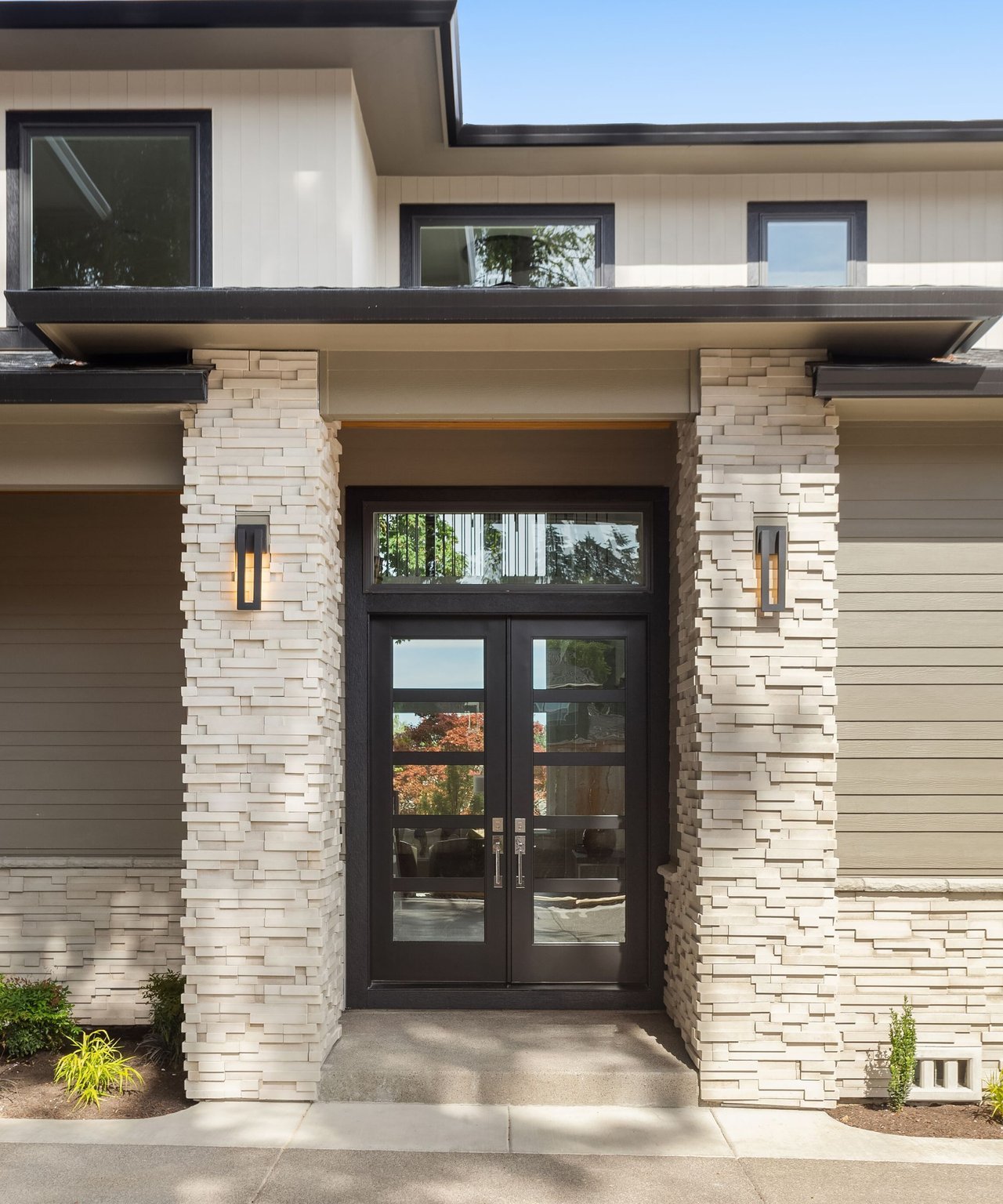
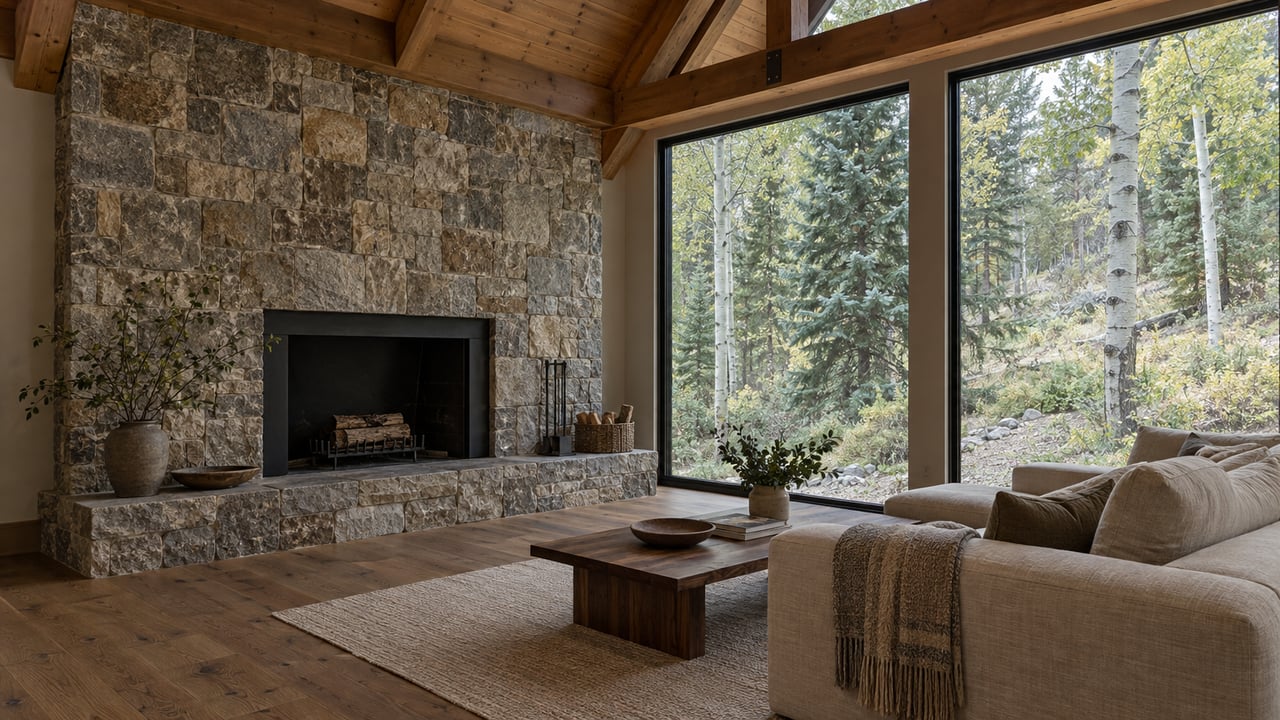
Two homes can sit within a few blocks of each other in Telluride, carry nearly identical price tags, and still represent completely different investments. Not because of the view, the finishes, or the square footage. Because of which side of a zoning line they happen to sit on.
That line runs through the Telluride Land Use Code, and it decides how many nights a year a property can legally be rented to a short-term guest. A buyer comparing two listings by price per square foot alone will miss it entirely, right up until they try to book their first guest and discover the town has already told them how many times they're allowed to do that.
The Line Runs Through the Zoning Map, Not the Price Tag
Under Section 3-601 of the Telluride Land Use Code, a property in one of the town's Residential Zone Districts, which include Residential, Historic Residential, Hillside Transitional, Hillside Developing One, Hillside Developing Two, West Hillside, and Medium Density Residential, is limited to three short-term rentals and three long-term rentals per calendar year. A short-term rental in this context means any stay of 29 days or fewer. Three occurrences a year, total, no matter how the calendar falls.
A property outside those residential districts operates under a different set of rules entirely. It qualifies for what the town calls a Classic License, which carries no limit on the number of nights it can be rented. Same town, same market, but one property is functionally capped at a handful of bookings and the other can run as a full-time rental operation.
The Town of Telluride's own licensing page lays out both categories side by side, and the distinction is not cosmetic. It's the difference between a home that pays for itself through rental income and one that simply can't, regardless of how strong the demand is outside its windows.
What a Classic License Actually Costs You
Unlimited rental nights aren't free. Classic License holders pay an annual regulatory fee of $857 per bedroom, which means a four-bedroom home running as a full-time rental carries roughly $3,428 in licensing costs before the first guest ever checks in. Residential, Limited, and Lodging licenses are exempt from that fee, which tells you something about what the town is actually pricing: not the right to rent, but the right to rent without limit.
That fee structure changes the math for a buyer weighing two comparable listings. A Residential Zone home with a lower price tag might look like the better deal until you run the numbers on what three rentals a year can realistically generate. A Classic License property with a higher regulatory fee might still come out ahead once you account for the fifty or so additional weeks it's allowed to earn.
Here's how the two categories compare in practice.
| Residential Zone License | Classic License | |
|---|---|---|
| Where it applies | Residential, Historic Residential, Hillside Transitional, Hillside Developing One, Hillside Developing Two, West Hillside, and Medium Density Residential districts | Properties outside those districts |
| Annual rental limit | 3 short-term rentals (1–29 nights) and 3 long-term rentals (30+ nights) | No limit on nights rented |
| Regulatory fee | None | $857 per bedroom, annually |
| Practical effect | Rental income is structurally capped regardless of demand | Rental income scales with demand, minus the fee |
Neither category is better in the abstract. A buyer who wants a personal mountain home and has no interest in renting it out gets no benefit from a Classic License and would rather avoid the fee. A buyer modeling this as an income property needs to know, before they write an offer, which side of that table their target address falls on.
Your Lender Draws the Same Line, For Different Reasons
This isn't only a town-code detail. It follows the buyer into underwriting. DSCR loans, the financing structure most investors use for a non-owner-occupied rental purchase, are evaluated on the property's own projected rental income rather than the buyer's personal income. In Telluride, that projection depends heavily on which license type the property carries.
A lender reviewing a Classic License property can reasonably underwrite it against a full year of potential rental nights. A lender reviewing a Residential Zone property has to underwrite against three occurrences a year, which is a fundamentally smaller number no matter what the nightly rate looks like on paper. Coverage ratios, loan-to-value tiers, and how much leverage a buyer can actually get all shift based on that distinction. Zoning here isn't a footnote to the deal. It's an input the lender runs the numbers on before the appraisal even comes back.
The County's Median Price Is Telling a Mix-Shift Story
None of this shows up in the headline number most buyers see first. San Miguel County's median sale price has moved sharply this year, and on its own that number invites two very different readings.
Through May 2026, county-wide transaction counts were down roughly 22 percent year over year, with dollar volume down about 23 percent over the same period. Read alone, that sounds like a cooling market. But the average transaction price countywide climbed from $1.78 million to $2.08 million over the same stretch, and within the Town of Telluride specifically, the year-to-date average rose 54 percent to $3.76 million. Fewer deals, at meaningfully higher prices, is not the same story as a weaker market. It's a smaller number of larger, higher-end properties doing the heavy lifting.
That mix-shift lines up with the zoning split. Larger, non-residential-zone properties, the ones eligible for a Classic License and unrestricted rental income, tend to be exactly the properties drawing serious investor interest and commanding those higher average prices. Meanwhile, in the $3 million to $7 million range, where a lot of Residential Zone inventory sits, buyers currently have real negotiating leverage, with discounts in the 5 to 10 percent range on older or mid-tier listings. Two markets are trading inside one county-wide average, and the zoning line is a big part of what separates them.
The Demand the Public Numbers Don't Count
There's a second layer to why the headline stats undersell what's actually happening. The Four Seasons Private Residences in Mountain Village, one of the largest new luxury developments in the region, was roughly 40 percent sold on hard contracts as of June 2026, with three additional term sheets signed that month alone. Because these are pre-sales on new construction, none of that activity shows up in MLS-based county statistics.
That means the county's own numbers, the ones feeding every median-price headline, are already missing a meaningful chunk of current demand for exactly the type of large, non-residential-zone product this whole zoning distinction favors. The public data isn't wrong. It's incomplete in a specific and predictable direction.
What This Means If You're Comparing Two Listings
If you're weighing two Telluride properties in a similar price range, the zoning district matters more than almost any other line item on the listing sheet. Ask which license type attaches to the property, not just how it's zoned in general terms. A "residential" label on a map doesn't automatically mean the strict rental cap applies. It depends on the specific district.
If rental income is part of your plan for the property, run your cash flow model against the actual license type before you get attached to a number a listing agent quoted informally. And if you're financing the purchase with a DSCR loan, ask your lender directly how they treat Residential Zone income versus Classic License income, since the answer changes what you can actually borrow.
Frequently Asked Questions
Does a property's license type change when it sells? The license attaches to the license holder, not automatically to the property, so a buyer typically needs to apply for their own license after closing rather than inheriting the seller's. Confirming the property's zoning district ahead of time tells you which license category you'll be applying for.
Can a Residential Zone property apply for a Classic License instead? No. The license category is tied to the zoning district the property sits in, and a home inside one of the Residential Zone Districts is subject to the rental cap regardless of the owner's preference. Changing that would require a zoning change, not a license application.
When do STR licenses renew, and does that matter if I'm closing near year-end? Annual renewals run from November 1 through January 1, with late fees beginning January 7. A buyer closing in that window should confirm whether the current license is in good standing and factor the renewal timeline into their own application, since the paperwork window is tight.
Understanding which side of that zoning line a property sits on is the kind of detail that separates a good deal from a good-looking one. If you're comparing homes in Telluride and want a clear read on the zoning, the financing, and what a specific address can actually support, reach out to The Overington Group. We'll walk the numbers with you before you write the offer, not after.