
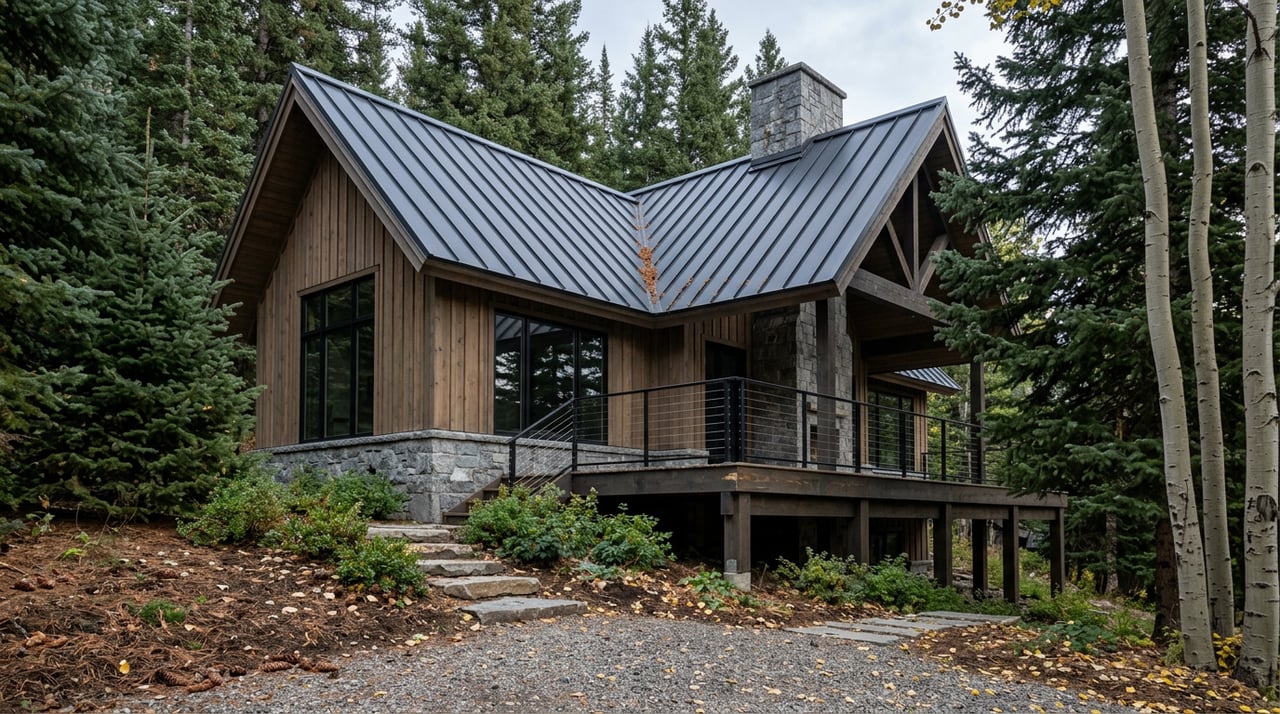
Are you torn between a true high-country hideaway and a town with more day-to-day convenience? If you are eyeing a mountain cabin around Rico, it helps to understand how it compares with nearby Dolores, Mancos, and Durango. Each place offers a different balance of access, amenities, and price. In this guide, you will get a clear, side-by-side view so you can match your cabin goals to the right town. Let’s dive in.
Quick take: Rico or a nearby town?
- Rico suits you if you want a quiet, historic mountain base with immediate access to high-elevation trails and river corridors, and you are comfortable with limited in-town services.
- Dolores works if you want river and reservoir recreation, a small-town feel, and a bit more convenience than Rico at generally accessible price points.
- Mancos is a fit if you like a creative small town near Mesa Verde, lower-elevation recreation, and a broader mix of in-town properties.
- Durango is best if you want a full-service hub with the widest housing options, airports, medical care, and year-round amenities.
Location and access
Rico on the map
Rico is a tiny, historic former mining town along Colorado Highway 145 in the Dolores River valley. It sits about 27 miles by road from Telluride over Lizard Head Pass, which is the closest major resort center for skiing, dining, and events. That proximity gives you resort access without living in a resort town. You can read more about Rico’s setting and history in the town overview on Wikipedia.
Drive times to hubs
From Rico, plan on roughly 45 to 60 minutes to Dolores, 1.25 to 1.5 hours to Mancos, and 1.75 to 2.5 hours to Durango depending on route and weather. These are broad ranges, and winter can add time. Use a mapping tool for your travel date and always check conditions if you plan to cross higher passes.
Flights and regional transit
The practical commercial-air gateway for this corner of Colorado is Durango–La Plata County Airport (DRO). It offers year-round service to key hubs like Denver, Dallas/Fort Worth, and Phoenix, with seasonal routes varying. If you or your guests want a non-driving option, the state’s Bustang Outrider coach connects Rico with Durango, Cortez, Mancos, Telluride, and Grand Junction on a scheduled route. See the Rico stop on the Bustang Outrider route.
Everyday amenities and services
Rico basics
Rico’s core businesses are few, and you should expect limited grocery selection, minimal retail, and no in-town hospital. The town focuses on small-scale projects like park improvements, fiber rollout in parts of town, and continued trail work. For detailed municipal information and contacts, start with the Town of Rico website.
Dolores
Dolores offers more in-town conveniences than Rico while staying small and approachable. You get municipal services, public parks, and access to the Dolores River and nearby McPhee Reservoir. The town also maintains a short-term rental licensing process, which is important if you plan to host guests. Explore the town’s services and permitting links on the Town of Dolores site.
Mancos
Mancos is known as a gateway to Mesa Verde National Park, which draws steady visitor interest and supports lodging and restaurants in town. The location also puts you closer to lower-elevation trails and cultural sites. Learn more about the national park context on the Mesa Verde overview.
Durango
Durango is the full-service center of the region. You will find major supermarkets, medical providers, cultural events, higher education, and a deep housing market. If you want the most options for shopping, dining, services, and guest logistics, Durango delivers that daily convenience.
Recreation for cabin owners
Trails and backcountry from Rico
Rico shines for high-country access. You are close to trailheads, river corridors, and backcountry terrain in the San Juan Mountains. Local groups are building out family-friendly options too. The Rico Trails Alliance is advancing the RGS River Trail that links town and the river for biking, Nordic, and hiking. See the project’s scope on the RGS River Trail page.
Water and desert access from Dolores and Mancos
Dolores gives you quick access to the Dolores River and McPhee Reservoir, which is ideal for boating and fishing. Mancos positions you for Mesa Verde’s cultural sites and nearby canyon country. Both towns sit lower than Rico, which can lengthen shoulder seasons for hiking and biking.
Durango’s year-round scene
Durango anchors a broad recreation mix. You have rafting and fishing on the Animas River, an extensive trail network, and a nearby ski area to the north. If you want cabin life plus varied activities for visiting friends and family, Durango’s variety is hard to beat.
Prices and property types at a glance
Rico’s housing stock is small and distinct. You will see historic mining-era homes, modest cabins, in-town lots, and the occasional renovated property. Inventory is thin, so median list prices can swing with just a few active listings. That volatility is normal in a small ZIP and is a good reason to rely on current MLS comps rather than snapshot medians.
In Dolores and Mancos, you will generally see broader in-town options and ranch or acreage properties in the surrounding area. These towns often show higher listing ranges than the smallest mountain hamlets, partly due to better services and proximity to tourism. Public data sources also indicate that Dolores tends to track below the higher La Plata County medians, which can appeal to budget-minded buyers.
Durango has the highest volume and the widest price spectrum in the area. You can shop condos, townhomes, in-town single-family, and luxury mountain properties. Buyers often pay a premium for convenience, services, and airport access, which shows up in Durango’s higher median values relative to smaller towns.
Rules, utilities, and build planning
Permits, septic, and water taps in Rico
If you plan to build or do major work in Rico, factor in permits, septic engineering, and water-tap costs. Rico follows International Codes and requires engineered ISDS plans for septic systems. The town also publishes water tap fee schedules by size, which are real upfront costs to include in your budget. Review the details on the town’s Building in Rico page.
Short-term rentals vary by town
Short-term rental rules are local. Dolores administers a licensing and inspection program, and it has adopted a formal ordinance with occupancy and safety rules. You can read about that process in the town’s links and in local coverage of the Dolores STR ordinance. Rico is small and does not publish a robust public guide, so call the clerk or planning office to confirm the current policy before you assume rental income.
Internet and work-from-cabin
Rico has fiber projects in progress and partial deployments that improve connectivity in specific areas. If reliable remote work is a priority, verify service at the address level. Check current buildouts and project updates on the town’s Projects page.
Medical and emergency access
Rico does not have a hospital in town. The nearest emergency room is the Telluride Medical Center, and the closest full-service hospital is in Durango. In remote areas, response times can be longer, so plan accordingly and know your route to care.
Winter realities and access planning
Lizard Head Pass on CO‑145 connects Rico and Telluride. In winter, avalanche mitigation and closures can slow travel or shut the road for safety. Always check for current operations and delays before you drive. For updates and travel guidance, review CDOT’s notice on winter maintenance for CO‑145.
Which buyer fits where?
- Rico: You want quiet, authentic small-town character and step-out-the-door access to high-elevation trails and river corridors. You are comfortable planning around limited services and winter conditions.
- Dolores: You want a small town with river and reservoir access, a bit more day-to-day convenience, and a defined path for STR licensing if you decide to host.
- Mancos: You value artsy small-town energy, easy access to Mesa Verde and canyon country, and a broader set of in-town housing choices.
- Durango: You want a cabin lifestyle with supermarkets, medical care, the widest home inventory, and the most seamless guest logistics via DRO.
Due diligence checklist for your short list
Use this quick list with your agent as you evaluate properties:
- Water and taps: Is the parcel on town water or a well/cistern, and what are the exact tap fees and timelines if town water is needed? See Rico’s fee schedules on Building in Rico.
- Septic feasibility: Is there an approved ISDS plan, or do you need soils testing and engineering per Rico and state rules? Start with Building in Rico.
- Short-term rentals: What does the municipality allow at that address, and is a permit required or capped? For Dolores, confirm details on the town site and recent STR ordinance coverage.
- Winter access: How does CO‑145 behave for your route, and who handles snow removal at the property? Check CDOT’s CO‑145 winter operations and plan backups.
- Internet: Is fiber, fixed wireless, or satellite available at the address, and what speeds are realistic? Review Rico’s Projects page and verify with the provider.
- Market comps: Ask for the past 12 months of MLS sold comparables rather than relying on small-sample medians.
Next steps
Choosing between Rico and nearby towns comes down to your tradeoffs. If you want solitude and alpine access, Rico is compelling. If you want easier logistics or a wider range of properties, look closely at Dolores, Mancos, and Durango. The right choice lines up with how you plan to use your cabin, how often you will visit, and how much convenience you want at your doorstep.
If you would like a custom short list with address-level notes on utilities, STR potential, winter access, and comps, reach out to Karen Overington for local guidance across Rico, Dolores, Mancos, and Durango.
FAQs
Is Rico a good base for Telluride skiing?
- Yes for day trips in typical conditions, since Rico sits about 27 miles by road from Telluride over Lizard Head Pass; always check winter operations before you go.
How hard is it to build a cabin in Rico?
- Plan for standard permits plus engineered septic and water-tap fees, all outlined on the town’s Building in Rico page.
What is the nearest airport for a Rico cabin?
- Durango–La Plata County Airport is the practical commercial-air gateway with year-round flights to major hubs.
Can I run a short-term rental in Dolores?
- Yes, with a town license and compliance with inspection and occupancy rules; see the Town of Dolores and local ordinance coverage.
Do cabins in Rico have reliable internet for remote work?
- Some areas have fiber and others rely on wireless or satellite; confirm at the address level and review the town’s Projects page.
Where do Rico owners go for emergency care?
- The nearest emergency room is the Telluride Medical Center, while the closest full-service hospital is in Durango.