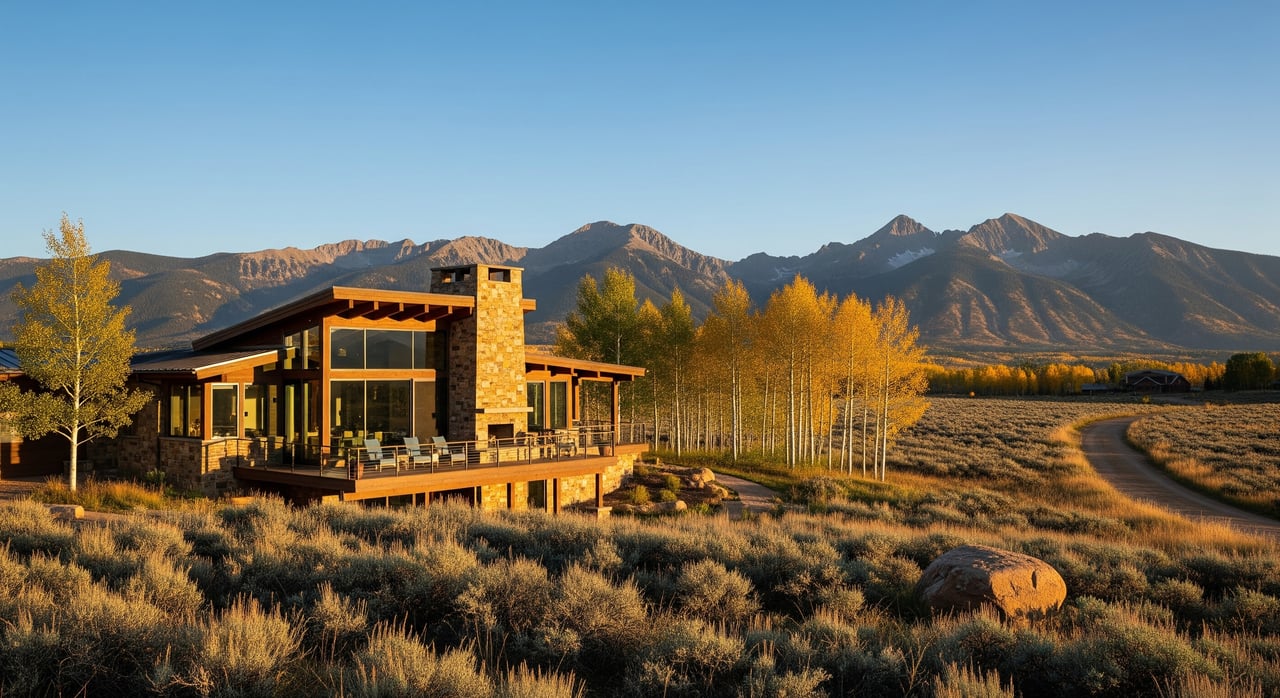
Is a quieter mountain lifestyle calling your name? If you are drawn to big skies, historic character, and trail access, Rico can be a great fit. It also comes with real mountain logistics: winter driving, private utilities, and a slower pace of services. This guide gives you the practical details you need to buy with confidence, from what to expect in older cabins to how to close remotely. Let’s dive in.
Rico at a glance
Rico is a small, historic town in Dolores County with a true mountain setting. Many buyers come for recreation and privacy, not for daily urban conveniences. Year-round services can be limited, so plan for periodic trips to regional hubs for larger shopping and medical care.
If you value proximity to public lands, quiet streets, and a simpler pace, you will likely feel at home here. The trade-off is that you will need to plan ahead for winter, utilities, and contractors. A local team can help you prepare before you write an offer.
Getting around and commuting
Most residents drive for daily needs. Public transit options are limited or not available for typical local errands. Winter weather can slow travel, so allow extra time and consider a 4WD or AWD vehicle. Snow, ice, and occasional avalanche control on mountain roads can affect timing.
Town streets, county roads, and state highways are maintained by different agencies. For rural parcels, some access roads are unimproved and not plowed. Always verify who maintains the road to your driveway and whether year-round access is guaranteed for the property you are considering.
Parking and snow storage matter. Look at driveway slope, where plowed snow can be piled, and whether you have a garage or covered parking. If you expect frequent visitors or plan to rent the home, check local rules for on-street parking or guest parking limits.
What you will find in Rico homes
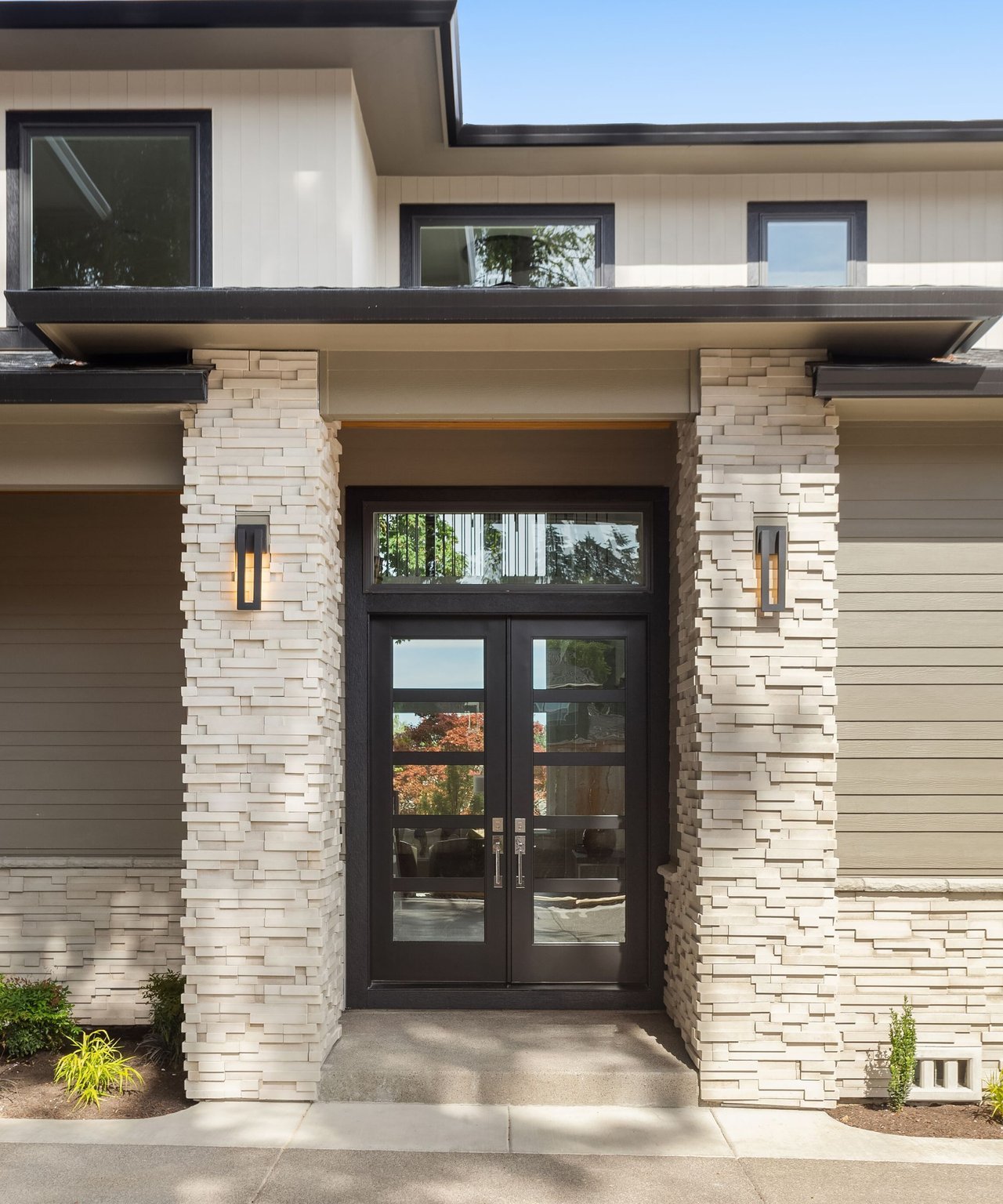
Rico’s housing stock blends in-town single-family homes and historic cabins with rural parcels and the occasional newer build. Many properties have been remodeled over time, and some include outbuildings or off-grid features. Because this is a mountain environment, expect wide variety in systems and access.
Older homes: priorities and pitfalls
Older cabins and historic homes can be charming and solid, but they deserve thorough due diligence.
- Structure and envelope
- Look for settled foundations, sill rot, and evidence of past structural repairs.
- Inspect roof age and design. Confirm snow-load capacity and ask about ice-dam history.
- Mechanical systems
- Heating often includes wood or pellet stoves and older propane or electric systems. Confirm service history and clearances for any wood-burning appliance.
- Plumbing may include older materials. Frozen pipes are a known risk in mountain towns. Many homes rely on wells and septic systems, which should be tested.
- Electrical capacity and grounding can be limited in older houses. Prioritize a full electrical inspection, especially if the home is very old.
- Water and wastewater
- For private wells, verify depth, yield, water quality, pump age, and pressure systems. Ask about winterization.
- For septic, map the system, confirm permit history, and schedule a certified inspection.
- Environmental and safety
- Test for radon. Mountain areas can have elevated levels.
- In homes built before 1978, consider lead-based paint and asbestos screening.
- Check for rodent entry points or wood-boring insects.
- Energy performance
- Insulation and air sealing are often limited in older properties. Budget for upgrades that improve comfort and reduce heating costs.
Newer homes: what to verify
Newer builds often deliver modern systems and better energy performance, but they still require targeted checks.
- Construction and site
- Look for engineered foundations, modern electrical and plumbing, and well-designed drainage. Confirm how the roof sheds snow and protects entries.
- Verify winter access, driveway grade, and snow removal options.
- Systems and documentation
- Review permits, as-built plans, well logs, and septic designs. If solar or backup power is present, request installation and service records.
- Energy and heating
- Expect better insulation and sealing. Many homes still rely on propane or wood heat; confirm tank ownership or lease and delivery schedules.
Mountain-specific issues for all homes
Freeze-thaw cycles can affect foundations and exterior finishes. Snow loads and ice dams stress roofs and gutters. Access to utilities can vary by parcel, and internet or cell coverage may be inconsistent. Build extra time and budget into your plan for these realities.
Utilities and services to confirm
Every property in Rico may have a different utility mix. Request documentation early and confirm details specific to the address.
- Electricity
- Ask who the provider is and whether there are known seasonal outages.
- Heating fuel
- Confirm primary fuel type. Clarify whether the propane tank is owned or leased and who delivers fuel.
- Water
- Determine if the home is on a private well or municipal water. Request well test results and note any seasonal flow changes.
- Wastewater
- Identify septic versus municipal sewer. Ask for permit and maintenance records.
- Internet and phone
- Options may include DSL, fixed wireless, satellite, or mobile hotspots. Test cell coverage for your carrier on-site whenever possible.
- Trash, recycling, and snow removal
- Some services are private or county-based. Clarify who clears your road and driveway and the expected response time in storms.
Education, health care, and emergency services
Rural districts often operate smaller schools and bus routes. Health care options in town may be limited, and critical care usually requires travel to regional hospitals. Volunteer fire departments are common in mountain communities, and response times can be longer than urban areas. Plan for wildfire readiness and winter safety.
Insurance, hazards, and mitigation
Wildfire exposure can affect insurability and premiums, and many insurers require defensible space around structures. Flood risk depends on site conditions and proximity to creeks or rivers. Check floodplain status if your property is near water. Snow load, wind, and hail also factor into roof choices and policy terms. Obtain insurance quotes early in the process and verify insurability before removing contingencies.
Land use, title, and access
Always confirm zoning and permitting with the Town of Rico or Dolores County before planning additions or major renovations. Historic or conservation overlays can guide what you can change.
In Colorado, mineral rights may be separate from surface rights. Review title for mineral reservations, surface-use clauses, and easements. Confirm recorded, year-round legal access to the property and any road maintenance or shared driveway agreements.
If you are considering short-term rental, verify town, county, and HOA rules for licensing, occupancy, tax registration, and parking.
Internet and remote work considerations
If you plan to work remotely, treat connectivity as a core due diligence item. Options can vary from fixed wireless to satellite or DSL, and performance often depends on exact location and line-of-sight. Test real-world speeds, ask the seller for their provider and typical speeds, and check availability with multiple providers.
Remote-friendly buying: how to do it well
Buying in Rico from out of town is common. With the right plan, you can make informed decisions without being on-site for every step.
Pre-offer checklist
- Request a high-quality live video tour and a complete photo set of mechanical rooms, crawl spaces, attic, roof, and driveway.
- Confirm road maintenance and winter access. Ask about driveway grade and snow storage.
- Request utility info: recent electric and propane bills, provider contacts, and tank ownership or lease.
- Order a preliminary title commitment and review for easements, access, mineral reservations, liens, and boundary notes.
- Ask for well and septic records, any permits, and a list of recent repairs or upgrades.
- If possible, schedule a short in-person visit to test cell coverage and see access conditions.
Inspection and contractor coordination
- Hire a home inspector who understands mountain systems. Add radon testing, a chimney inspection, a well yield and water-quality test, and a septic inspection.
- If issues are known, bring in a local contractor for ballpark estimates before negotiating credits.
- Arrange virtual inspection add-ons. Many inspectors can record video and walk you through findings live.
- Build in time for follow-up specialty inspections if something unexpected appears.
Remote closing and move coordination
- Choose a title company familiar with Dolores County practices. Confirm secure wire instructions and remote signing or e-notary options.
- Set up utilities before closing and schedule first fuel delivery.
- Plan movers and storage with seasonal timing in mind. Winter dates can be limited.
- After closing, schedule immediate servicing for heating systems, wood stoves, and well equipment so you start strong.
How The Overington Group supports your move
A local, concierge-style team makes the difference in a small mountain market.
- Property and neighborhood reconnaissance
- On-site checks for cell and internet, road conditions, snow storage, and visible infrastructure.
- Vetted vendor network
- Inspectors, well and septic pros, chimney specialists, HVAC and propane technicians, electricians, general contractors, and title partners with local experience.
- Project management
- We coordinate bids, prioritize repairs, and help manage vendor timelines during escrow and after closing.
- Closing coordination
- We work with title on remote signing, notary scheduling, and wire verification protocols.
- Local resource packet
- Contacts for fuel delivery, trash services, snow removal, mechanics, and emergency resources to get you settled.
Seasonal living: what to plan for
Mountain homes come with a maintenance rhythm. Build these routines into your calendar and budget.
- Winter readiness
- Clear roof and eaves for snow and ice buildup. Know how to shut off water if you leave for extended periods.
- Service heating systems before the first cold snap and confirm fuel levels.
- Line up snow removal for both the road and your driveway.
- Spring checkup
- Inspect roofs, gutters, and grading after freeze-thaw cycles.
- Check well and septic components and schedule any needed maintenance.
- Summer and fall prep
- Maintain defensible space around the home and service chimney or stove.
- Confirm property insurance coverage and any new carrier requirements.
Budgeting and expectations
Beyond your mortgage, plan for utilities that may fluctuate with weather and fuel delivery schedules. Older homes may need electrical upgrades, insulation, or roof work. Contractor availability can be seasonal, and material lead times can stretch. Keeping a contingency fund and a flexible schedule will reduce stress.
Ready to explore Rico?
If Rico’s mountain lifestyle fits your goals, the next step is a focused plan. With local knowledge, vetted vendors, and remote-friendly processes, you can buy with clarity, even from afar. When you are ready, reach out to Karen Overington for a personal walkthrough of options, timelines, and next steps. Connect with Karen Overington to start your Rico search with a trusted local partner.
FAQs
How far are groceries, hospitals, and airports from Rico?
- Distances and drive times vary by season and route. Plan for regional travel by car and verify timing for your specific address during both summer and winter conditions.
What utilities do most Rico homes use?
- Many homes rely on private wells, septic systems, and propane or wood heat. Always confirm the exact setup, provider contacts, and recent service records for each property.
Is there reliable internet for remote work in Rico?
- Coverage is address specific. Options can include fixed wireless, DSL where available, satellite, and mobile hotspots. Test speeds and cell coverage on-site before committing.
What inspections should I order for a mountain home near Rico?
- In addition to a standard home inspection, add radon testing, a chimney inspection, a well yield and water-quality test, and a certified septic inspection.
How does winter affect access and maintenance in Rico?
- Snow and ice can slow travel and limit parking. Verify road maintenance responsibilities and arrange snow removal for your driveway. Budget time for winterizing and heating system servicing.
What insurance issues should I consider before buying in Rico?
- Wildfire, flood, wind, hail, and snow load can affect coverage and cost. Get quotes early and confirm insurability before removing contingencies.
Can I rent my Rico home short term?
- Rules differ by town, county, and HOA. Verify licensing, occupancy limits, taxes, and parking requirements for the specific property before you buy.