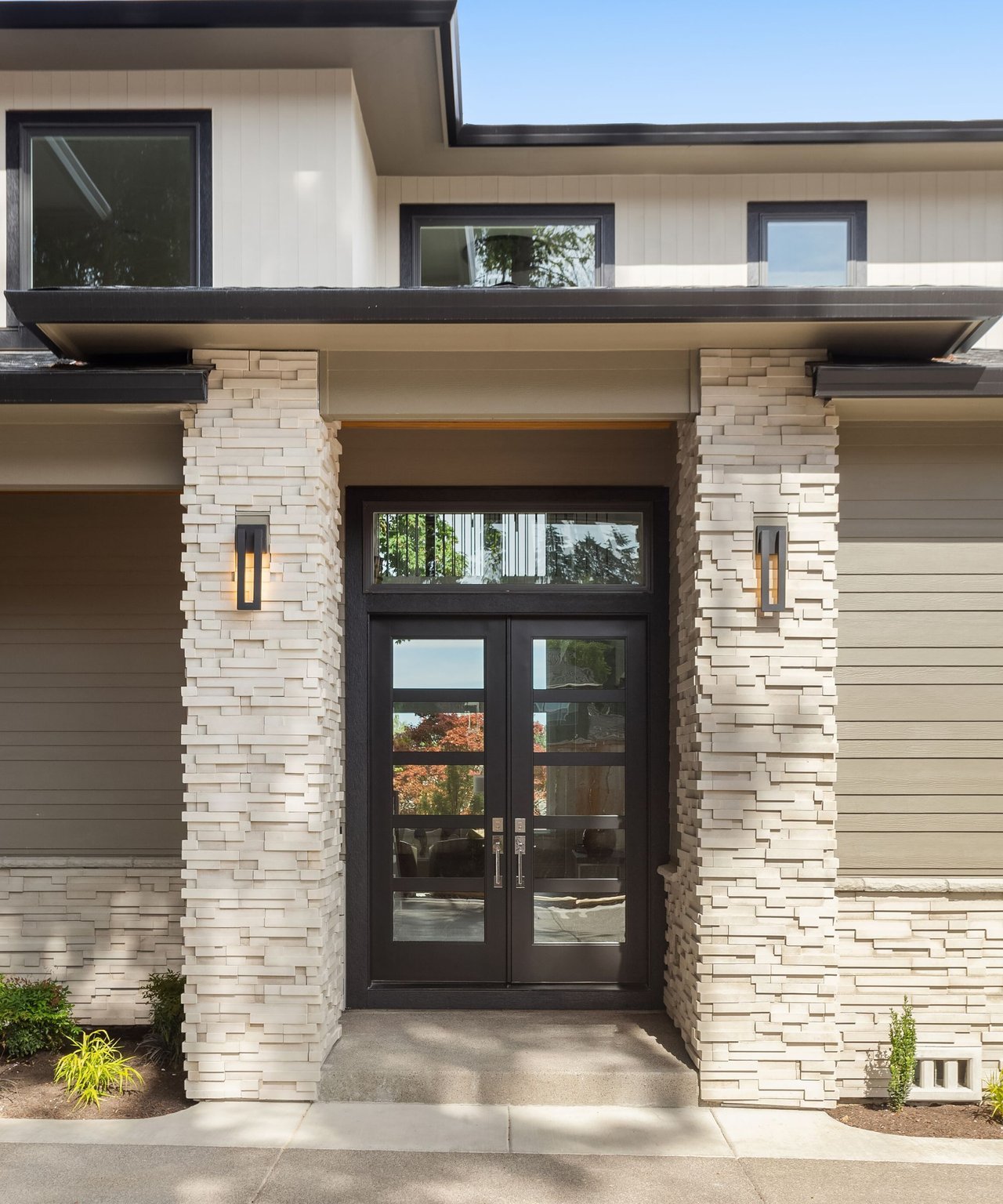
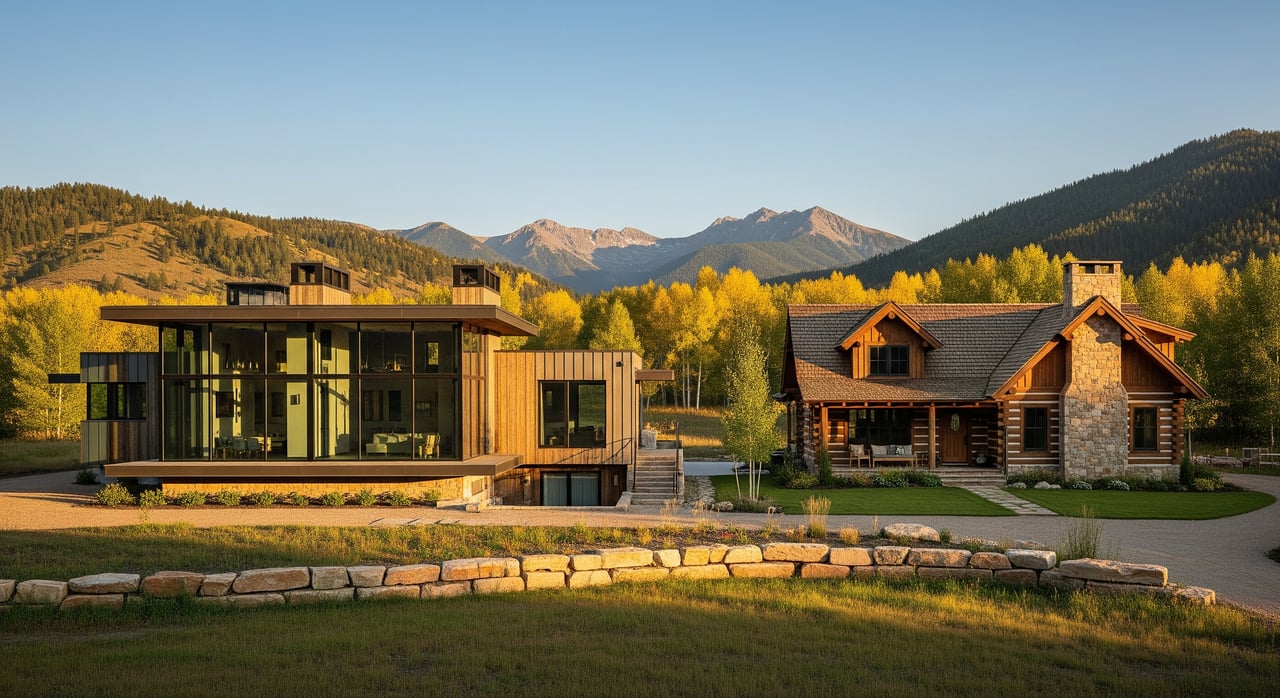
Thinking about a home in Pagosa Springs and torn between building new or buying a resale? You are not alone. The mountain lifestyle, year-round recreation, and STR potential make the choice exciting, but there are local factors you do not want to miss. In this guide, you will compare costs, timelines, finishes, HOA issues, and STR considerations specific to Pagosa Springs so you can decide with confidence. Let’s dive in.
Pagosa Springs market basics
Pagosa Springs sits in Archuleta County with strong demand from second-home, retirement, and vacation buyers. Year-round tourism and proximity to Wolf Creek Ski Area drive seasonal interest, especially in winter and summer. Inventory and pricing can move with these cycles, and STR demand often follows peak tourism periods. Understanding this seasonality helps you time a purchase and plan for occupancy or rental goals.
New construction: what to expect
New construction lets you tailor layout, finishes, and energy systems, which is a big plus in a mountain climate. In this area, new homes often cost more per square foot due to logistics, site work on sloped lots, and weather-related scheduling. You will also account for land costs, utility hookups or well and septic, and permit and impact fees. Builder warranties on structure and systems can reduce near-term maintenance risk.
Key cost categories to plan for:
- Acquisition: land and purchase price, earnest money
- Site preparation: grading, retaining walls, driveway, tree mitigation, erosion control
- Utilities: municipal water/sewer taps and fees or well drilling and septic installation; electric, gas, broadband
- Permits and impact fees: building, driveway, water/sewer taps, and any local impact fees
- Construction: materials, labor, subcontractors
- Soft costs: architectural plans, engineering (site, septic, soils), surveys, inspections
- Financing: construction loan fees, interest during the build, appraisal
- Ongoing: property taxes, insurance, HOA dues where applicable, utilities, maintenance
Financing is also different. Many buyers use a construction loan that funds in stages with inspections, then converts to a permanent mortgage. In rural and seasonal markets, appraisals on unique or custom homes can be complex because comparable sales are limited, which can affect lending terms. Expect a build timeline of months, commonly 6 to 12 for a spec or production home and 9 to 18 or more for a custom project, with winter weather and subcontractor schedules adding variability.
Resale benefits and trade-offs
Resale homes give you speed and clarity. Contract-to-close is often 30 to 60 days depending on financing, inspections, and title. You can move in sooner and phase upgrades later if needed. That said, older homes may carry deferred maintenance, and you should budget for repairs or updates like roofing, HVAC, or appliances.
Due diligence is essential. Plan for structural, roof, HVAC, chimney, and pest checks. In areas outside town limits, confirm septic inspection and well documentation. You can add a home warranty for peace of mind, but it will not replace thorough inspections.
Costs: side-by-side considerations
- Upfront price: Resale is a single purchase price, though you may add repair and update costs. New build pricing combines land, site work, construction, and builder profit.
- Variability: Resale costs are more predictable once inspections are complete. New construction can shift with site conditions, change orders, and material lead times.
- Maintenance: New builds often include builder and manufacturer warranties. Resales may require more near-term maintenance, depending on age and condition.
- Energy efficiency: New homes can integrate high-efficiency HVAC, insulation, and ventilation from day one. Resales may need updates to reach similar performance.
Timelines and seasonality
With a resale, you can often close and occupy within one to two months. With new construction, plan on months, not weeks. Short building seasons at higher elevations and winter weather can pause exterior work and affect foundations or utility trenching. Allow for lead times on windows, appliances, and specialty materials.
Sites, utilities, and access
Inside town limits, properties are more likely to have municipal water and sewer. Outside town, well and septic are common, and soils, topography, and access can change feasibility and cost. Confirm road maintenance responsibilities, winter access, and driveway requirements early. Soil tests, septic design, and well capacity are core checks before you commit to a lot or rural resale.
Finishes, customization, and durability
New construction gives you control over finishes and systems, from cabinets and countertops to windows and mechanicals. Custom selections raise costs and can extend timelines. In mountain conditions, materials matter. Look for high-R insulation, durable roofing rated for snow loads, frost-protected foundations where needed, and fire-resistant exterior materials paired with defensible-space landscaping. Resale homes with character can be updated, but allow time and budget for renovations.
HOA rules and covenants
Many new subdivisions and some resale neighborhoods in the area have HOAs with covenants and design guidelines. Rules can cover exterior changes, parking, landscaping, and rental use. Review CC&Rs, bylaws, meeting minutes, budgets, reserve studies, and any history of special assessments. If the HOA is developer-controlled in a new community, learn the transition timeline and any upcoming infrastructure obligations.
Short-term rentals: rules and reality
STR rules differ between the Town of Pagosa Springs and unincorporated Archuleta County. Requirements can include licensing or registration, lodging tax remittance, safety standards, occupancy and parking limits, and good neighbor policies. Some HOAs restrict or prohibit STRs or require additional fees and registration.
Plan for seasonal performance. Demand typically peaks in winter and summer around recreation and events. Budget for management, cleaning, utilities, supplies, maintenance, and any HOA or municipal STR fees. Insurance can differ for STR operations, so confirm coverage and endorsements specific to short-term occupancy.
Due diligence steps for STR plans:
- Confirm whether the property is inside town limits or in the county, then verify the applicable STR ordinance
- Review HOA rules for rental allowances, limits, and enforcement
- Verify parking rules, trash handling, and occupancy limits relative to septic capacity
- Get local management quotes and seasonal occupancy insights before projecting income
Decision roadmap: the right fit for you
Start with your timeline, budget, and tolerance for variability. If you need to occupy in the next few months, resale is usually the faster route. If you want modern efficiency, tailored design, and warranties, and you can wait for a build and manage a more complex process, new construction can be worth the premium. If STR income is part of your plan, the most important step is confirming city or county rules and any HOA limitations before you make an offer.
Questions for builders
- What is included in the base price, and what are common upgrades and costs beyond the base?
- What is the estimated timeline from foundation to occupancy, and what contingency do you use for winter weather?
- How are change orders handled and priced, and what warranty coverage is included?
- Who manages permitting, inspections, and utility hookups, and what fees will I pay?
Questions for resale sellers or listing agents
- What repairs or upgrades were completed recently, and are there permits and warranties?
- Can you provide septic and well documentation where applicable?
- Are there any known code issues, special assessments, or pending neighborhood projects?
Questions for the HOA
- Can you provide CC&Rs, bylaws, recent meeting minutes, current budget, and reserve study?
- What are the rules for short-term rentals, exterior changes, parking, and solar or satellite installations?
- Are there restrictions on contractor hours or operational items that affect renovations or STRs?
STR feasibility questions
- Is the property in town or in the county, and which jurisdiction’s STR rules apply?
- What licensing and lodging tax registrations are required, and are there occupancy limits or permit caps?
- What are recent occupancy and average daily rate trends for similar properties, and can a local manager share data?
Common pitfalls to avoid
- Underestimating site work on sloped or treed lots that require grading, retaining walls, or erosion control
- Assuming municipal utilities when a property needs a new well and septic system
- Overlooking winter access and road maintenance responsibilities that affect daily use and insurance
- Planning STR income before confirming city or county regulations and HOA rules
- Skipping a contingency for weather, material lead times, and subcontractor availability on new builds
Your next step
Whether you lean new construction or resale, a local plan and clear numbers will save you time and stress. If you want help mapping options, lining up inspections, or coordinating bids, we are here to guide you through the details that matter in Pagosa Springs and Archuleta County. Reach out to Karen Overington for a local, concierge approach to your next move.
FAQs
How do new construction costs compare to resale in Pagosa Springs?
- New builds often cost more per square foot due to site work and mountain logistics, while resales may have lower purchase prices but can require renovation and maintenance.
How long does a new build usually take in this market?
- Plan for months, not weeks, typically 6 to 12 months for a spec or production home and 9 to 18 or more for custom, with winter weather potentially extending timelines.
What inspections should I budget for on a resale home?
- Schedule structural, roof, HVAC, chimney, and pest inspections, and verify septic and well documentation where applicable outside town limits.
Are short-term rentals allowed in Pagosa Springs?
- Rules vary between the Town of Pagosa Springs and Archuleta County, and HOAs may have additional restrictions, so confirm the current ordinance and HOA documents before buying.
What utility and site factors can affect a build or rural purchase?
- Verify municipal versus well and septic, soil suitability for septic, well capacity, driveway standards, and winter road maintenance responsibilities early in due diligence.