If you are deciding between Mancos and Durango, you are not just picking a home. You are choosing the pace, convenience, and feel of your daily life in Southwest Colorado. The good news is that both places offer distinct advantages, and a close look at housing, commute patterns, and services can help you choose with more confidence. Let’s dive in.
Mancos vs. Durango at a glance
Mancos and Durango sit within the same broader region, but they function very differently day to day. Durango is the larger in-town option, while Mancos offers a much smaller and more rural setting.
According to 2024 Census estimates, Durango had about 19,811 residents, 8,916 households, and a 53.0% owner-occupied rate. The city’s median owner-occupied home value was $668,400, median gross rent was $1,636, and mean commute time was 14.3 minutes. Durango also covers 14.71 square miles, which helps explain its broader service base and more urban feel.
Mancos had a population of 1,349 in 2020. Town housing materials report that 66.2% of residents own their homes and 33.8% rent, with an average monthly mortgage cost of $1,500 and an average home sale price of $415,565 between April 2023 and April 2024. Those same materials note a need for more rental and for-sale housing, which points to a thinner local market.
Because these figures come from different sources and timeframes, they are best used as a directional comparison. Still, the overall picture is clear: Durango offers more scale and services, while Mancos offers a smaller-town environment and generally lower average sale prices in the data provided.
Housing choices feel different
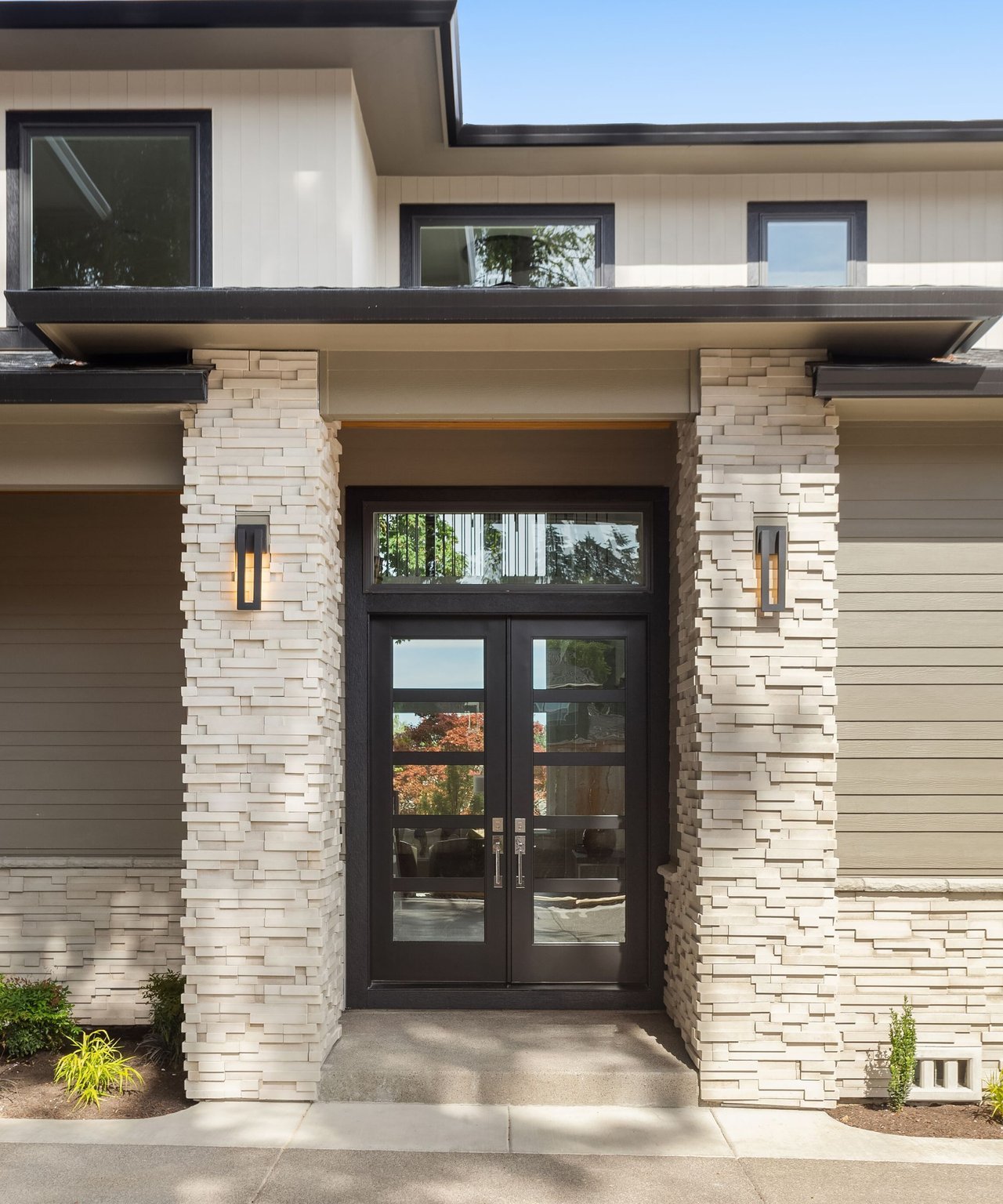
One of the biggest differences between Mancos and Durango is the type of housing you are more likely to find. If you want a broad menu of in-town living options, Durango gives you more variety.
Durango offers more housing types
Durango’s planning categories include everything from rural land to higher-density residential areas. The city’s future land-use categories range from Rural at 35 acres minimum to Residential High Density at 12 to 24 dwelling units per acre.
That means buyers in Durango may find options such as smaller-lot single-family homes, townhomes, duplexes, triplexes, apartments, and mixed-use residential projects. The city is also tracking active mixed-use and workforce-housing projects, including Durango Crossings with about 149 residential units, a Rivergate workforce project, and a mixed-income site at 3801 Main Avenue.
Durango has also loosened rules for accessory dwelling units, or ADUs. Fewer than 50 ADUs have been added since the program began in 2014, but the policy direction still reflects a city that is trying to support a wider range of housing formats.
Mancos leans toward small-town lots and rural land
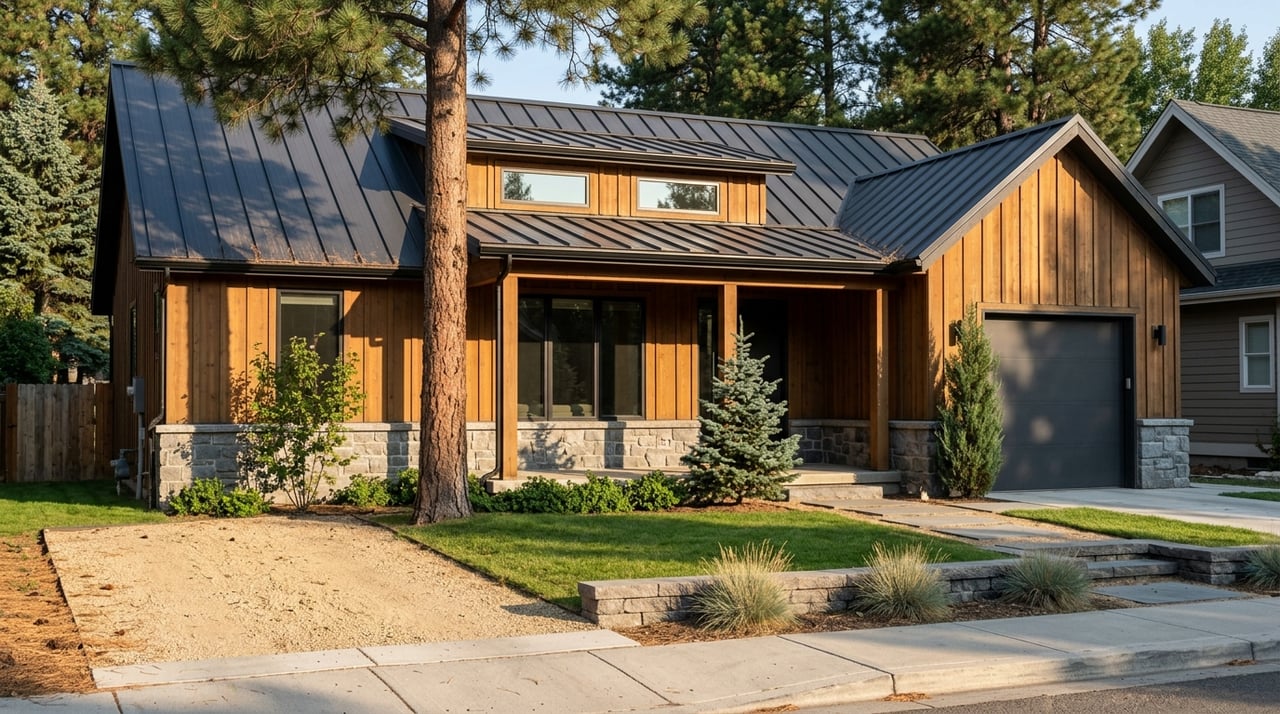
Mancos has a different pattern. In town, you will still see the influence of a traditional small-town layout. Outside the core, the area trends toward larger rural parcels.
Town planning materials show eight zoning classifications. A recent plat review noted that the SFR-1 district requires a 7,500-square-foot lot, while a 6,239-square-foot lot was considered nonconforming but grandfathered. In the town’s three-mile plan, non-zoned county properties are generally treated as Agricultural/Rural Residential, which is described as land remaining at a minimum of 35 acres.
For you as a buyer, that likely means Mancos is better suited if you are open to either a classic small-town lot or a larger rural property nearby. If you want a condo, townhome, or denser in-town housing option, Durango is more likely to offer those choices.
Daily convenience is not the same
Where you live affects how you handle errands, transportation, and travel. This is where Durango and Mancos start to feel especially different.
Durango has a broader service network
Durango has the denser service base. The city runs fixed-route transit, microtransit, and paratransit, including the Opportunity Bus for qualifying riders within city limits and nearby service areas.
The Durango-La Plata County Airport also serves southwest Colorado with nonstop service to Dallas-Fort Worth, Denver, and Phoenix, plus seasonal service to Houston. For people who travel often or expect visiting family and friends, that access can shape the overall ease of living there.
Durango also has an extensive trail system with more than 100 miles of natural-surface trails and more than 10 miles of hard-surface trails. Those trails connect neighborhoods, parks, downtown, the library, the recreation center, and schools, which adds another layer of day-to-day connectivity.
Mancos has a smaller civic footprint
Mancos offers a more self-contained setup. Town resources identify town hall, a marshal’s office, parks, a community center, and a public works department that handles water and sewer.
The public works information also notes that, except for Main Street and Grand Avenue, most streets in town are gravel. The town uses mag chloride for dust control, and town crews handle snow removal on secondary streets. These details may sound small, but they give you a realistic picture of daily life in a rural small-town setting.
If you want more built-in convenience, Durango has the edge. If you are comfortable with a quieter rhythm and fewer urban-style services, Mancos may feel like a better fit.
Commute time can shape your choice
Many buyers focus first on price or property type, but commute time often becomes one of the most important quality-of-life factors after move-in. Between Mancos and Durango, the difference is meaningful.
A Mancos housing needs assessment reports that 35.8% of Mancos residents work in Cortez or Durango. That same source reports an average travel time to work of 25.6 minutes.
By contrast, Durango’s mean travel time to work is 14.3 minutes. Mancos to Durango is about 28 driving miles, so living in Mancos and working in Durango usually means a real highway commute, not a short in-town drive.
If your job, frequent errands, or regular activities center on Durango, that added drive deserves serious consideration. If you do not mind more windshield time in exchange for a smaller-town setting or more space, Mancos may still make sense.
Lifestyle fit matters as much as price
A home search works best when it starts with your actual routine. The choice between Mancos and Durango is less about which place is better and more about which one fits the way you want to live.
Durango may fit you better if you want convenience
Durango may be the stronger fit if you want:
- Shorter average commutes
- More transit options
- Easier airport access
- A wider range of home types
- Faster access to shopping, services, and everyday destinations
For many buyers, especially those relocating from larger metro areas or seeking a lower-maintenance in-town lifestyle, those factors can make daily life feel simpler.
Mancos may fit you better if you want space and quiet
Mancos may be the stronger fit if you want:
- A smaller-town atmosphere
- A more rural daily rhythm
- Access to larger parcels outside town
- A setting that emphasizes land, air, and water stewardship in its planning vision
- More comfort with driving for work or services
Town vision documents emphasize a resilient, diverse, healthy community and a desire to retain rural, small-town character. If that sounds like the environment you want, Mancos may align well with your goals.
What buyers should keep in mind
When you compare Mancos and Durango, it helps to think beyond headline numbers. A lower average sale price in one area does not automatically mean it is the better value for your household.
Ask yourself a few practical questions:
- How often will you commute into Durango?
- Do you want in-town convenience or more elbow room?
- Are you looking for a condo, townhome, single-family home, or acreage?
- How important are airport access and transit options?
- Would a gravel-road, rural-town setting feel comfortable for your day-to-day life?
Those answers usually point you in the right direction faster than broad market averages alone.
The bottom line on Mancos vs. Durango
If you want more housing variety, shorter average commutes, stronger transportation access, and easier day-to-day convenience, Durango is likely the better base. If you value a smaller-town setting, a quieter pace, and the possibility of larger rural properties nearby, Mancos may be the better match.
The right choice depends on how you want your life to feel once the boxes are unpacked. If you want help sorting through neighborhoods, in-town options, or acreage opportunities across Southwest Colorado, Karen Overington can help you compare the tradeoffs and find the location that fits you best.
FAQs
Is Mancos or Durango better for a shorter commute?
- Durango has the shorter reported average commute time at 14.3 minutes, compared with 25.6 minutes reported for Mancos.
Is housing generally more affordable in Mancos than Durango?
- Based on the figures provided, Mancos had an average home sale price of $415,565 between April 2023 and April 2024, while Durango’s median owner-occupied home value was $668,400, so Mancos appears lower priced directionally.
Is Mancos a better choice if you want acreage?
- Mancos may appeal more if you want rural land, since planning materials describe nearby Agricultural/Rural Residential areas at a minimum of 35 acres.
Does Durango offer more in-town housing options?
- Yes. Durango’s land-use categories include smaller-lot homes, duplexes, triplexes, townhomes, apartments, and higher-density residential development.
Is Durango easier for travel and services?
- Yes. Durango offers transit options, airport access, and a broader network of connected services and trails than Mancos.