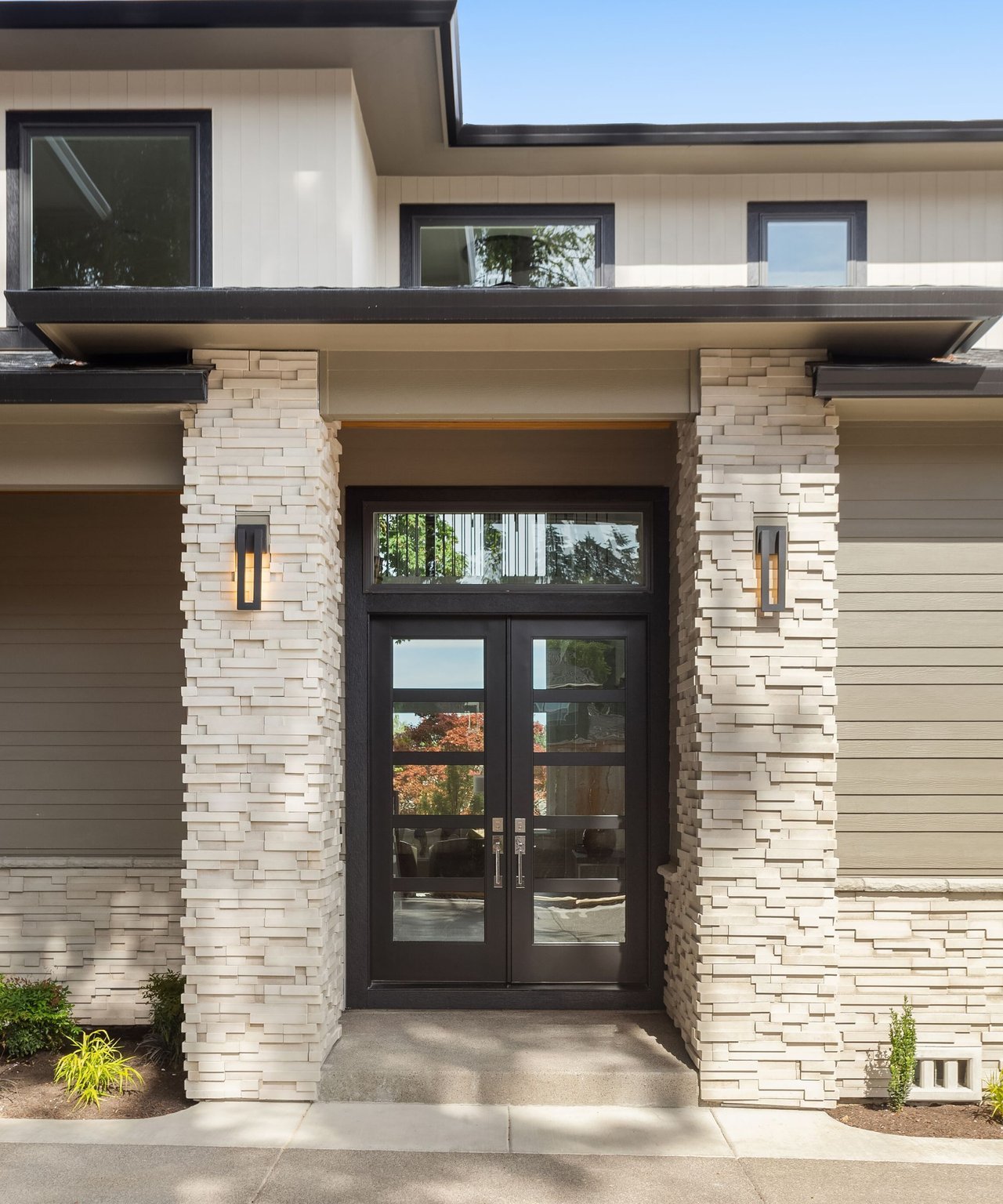
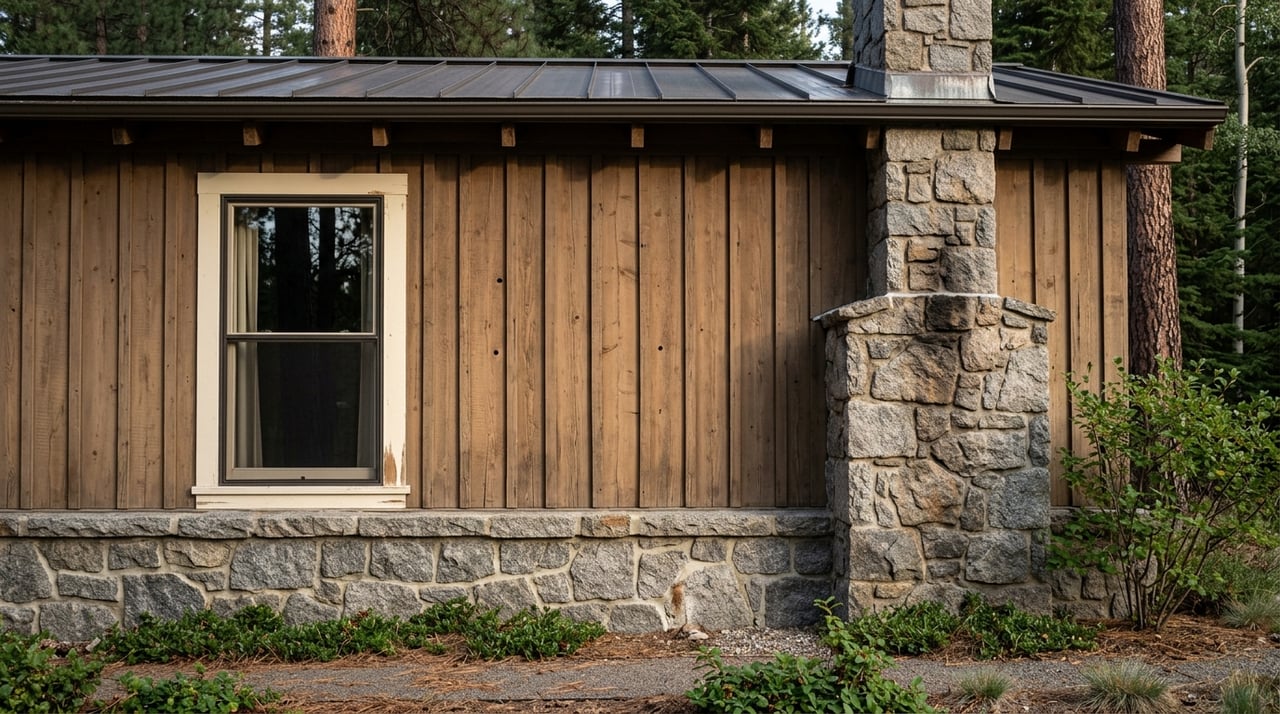
Thinking about buying a historic home in Dolores? It can be one of the most rewarding ways to own a piece of local history, but it also comes with questions that newer homes usually do not. If you are considering an older property in or around Dolores, this guide will help you understand what gives these homes their character, what to watch for before you buy, and how local rules can shape your renovation plans. Let’s dive in.
Why Dolores Historic Homes Stand Out
Dolores has deep railroad-era roots, and that history still shapes the feel of many older properties in town. The Southern Hotel, built in 1893, is noted in its National Register nomination as the first hotel in Dolores and the oldest building in town. It also sat across from the original train depot, which shows how closely the town’s early development was tied to the Rio Grande Southern Railroad.
That context matters when you shop for an older home here. In Dolores, a historic property is often more than just an old structure. It may reflect the town’s original layout, building styles, and materials from an important chapter in local history.
It is also important to know that old does not automatically mean locally designated historic. The Town of Dolores has a Town Register of historic sites, structures, and districts, along with a Historic Preservation Board. A property may be eligible for recognition because of age or register status, but it is not locally designated unless the Board of Trustees formally approves it.
Historic Designation in Dolores
If you are buying within town limits, one of your first questions should be whether the home is locally designated. That status can affect how future changes are reviewed, especially for visible exterior work. It can also affect how early you should start planning before a renovation.
The Town of Dolores land use code makes a clear distinction between eligibility and local designation. Properties listed on the National Register or State Register may qualify for the Town Register, but they are not treated as locally designated until the town completes its own approval process. That means two homes of similar age may have very different review requirements.
If a property is locally designated, or if it sits next to a designated historic property, the owner is requested to consult with the Historic Preservation Board before making alterations or starting nearby new construction. For you as a buyer, that makes due diligence especially important before closing.
Architectural Features You May See
Older homes in Dolores may show details connected to late 19th-century and early 20th-century building styles. One style often tied to Colorado’s historic homes is Queen Anne, which was especially popular from about 1880 to 1910. These homes can include a mix of decorative and practical features that create a strong visual identity.
Common Queen Anne features in Colorado include:
- Asymmetrical shapes
- Corner towers or bays
- Decorative porches
- Projecting gables
- Mixed materials such as brick and wood
- Scalloped or shaped shingles
- Bargeboards
- Sunburst detailing
- Turned spindles
The Southern Hotel offers a local example of that kind of character. Its historic documentation describes features such as front-gable sections, fishscale shingles, trussed gables, knee braces, and original wood sash windows. If you are drawn to the look of a historic Dolores home, these are the types of details you may notice and want to preserve.
Not every older home in the Dolores area is a frame Victorian-style house. Some may be adobe or mixed-material construction. Adobe buildings are made from sand and clay, often with straw or grass as a binder, and they may include stone foundations, wood lintels, wood roof members, plaster, whitewash, or stucco coatings.
What Ownership Really Means
Historic home ownership often means becoming a careful steward of original materials and design. That does not mean you cannot update the home. It does mean updates usually need more planning, more specialized evaluation, and more respect for how the home was originally built.
In older homes, maintenance issues are not always surface-level. A peeling coating, a cracked wall, or a worn window may point to a deeper issue with moisture, drainage, or aging materials. That is why it helps to approach a historic home purchase with both excitement and a practical eye.
You should also expect timelines to look different than they might in a newer property. Research, inspections, permit review, and contractor selection can all take more time when a home has historic materials or preservation considerations.
Key Issues to Check Before You Buy
A standard home inspection is still a smart starting point, but it may not be enough for every historic property. If the home has visible settling, moisture issues, historic materials, or older systems, it is wise to seek specialist input before you move forward.
Pay close attention to these areas during due diligence:
- Roof condition
- Drainage and water flow around the house
- Exterior siding, stucco, or coatings
- Porch structure and wood condition
- Windows and doors
- Signs of wall cracking, bulging, or erosion
- Older mechanical systems that may need repair or replacement
For adobe homes, moisture is the biggest preservation concern. The National Park Service notes that adobe deterioration can show up as cracked, eroded, pitted, or bulging walls, along with sagging roofs. The first step is not cosmetic repair. It is identifying and correcting the source of the moisture problem.
For frame historic homes, visible work can affect more than curb appeal. Porch repairs, siding updates, window changes, and roof work may alter the home’s defining exterior character. In Dolores, that can matter if the property is locally designated or reviewed in relation to nearby historic resources.
Renovating a Historic Home in Dolores
If you plan to renovate, your approach should be thoughtful from the start. Historic homes often respond best to repairs that match the original material and construction methods as closely as possible. That is especially true for adobe homes, where incompatible repairs can create new problems instead of solving old ones.
The National Park Service recommends retaining original windows, doors, and floors when feasible in adobe structures. It also recommends regular roof and surface-coating inspections and using repair methods similar to the original construction whenever possible. That guidance reflects a simple principle: historic materials tend to perform best when they are repaired with compatible materials.
For locally designated properties in Dolores, the Historic Preservation Board looks at factors such as:
- Design
- Finish
- Material
- Scale
- Mass
- Height
- Visual compatibility with adjacent historic buildings
- District guidelines, if applicable
In practical terms, this means a renovation is not just about what you want to change. It is also about how that change fits the building’s historic character and, in some cases, the surrounding context.
Permits and Review: Town vs. County
Where the home is located matters. Inside the Town of Dolores, the building code requires an approved building permit before any construction. The land use code also states that no building or development permit can be issued until the lot or building site has been properly created under town rules.
That means routine-looking work may still require permits inside town limits. If you are planning updates, it is smart to confirm permit requirements early rather than assume a project is too minor to matter.
For homes in unincorporated Montezuma County, the process can be different. According to the county FAQ, residential development does not require county building permits because the county has not adopted residential building codes. However, separate state plumbing and electrical inspection requirements and septic permitting can still apply.
This town-versus-county distinction is especially important for Dolores-area rural properties. A home with a Dolores mailing address may not be inside town jurisdiction, so your permit path could look very different from one property to the next.
Smart Tips for Historic Home Buyers
If you love the idea of owning a historic home in Dolores, a little preparation can go a long way. The goal is not to avoid older homes. It is to understand them clearly before you commit.
Here are a few smart steps to take:
- Confirm whether the property is locally designated historic.
- Ask whether any past exterior work required preservation review.
- Review visible signs of moisture, settling, and deferred maintenance.
- Consider specialist inspections for adobe materials or major structural concerns.
- Check whether the home is inside town limits or in unincorporated Montezuma County.
- Discuss renovation goals before closing so you understand likely permits and review steps.
Historic homes can offer craftsmanship, charm, and a real connection to place. In Dolores, they can also reflect the town’s railroad-era beginnings and the building traditions that shaped Southwest Colorado. When you buy with clear expectations, you are in a better position to protect both the home’s character and your investment.
If you are exploring historic homes in Dolores or want help weighing the pros and cons of an older property, working with a local team can make the process feel much more manageable. For personalized guidance on Dolores and Southwest Colorado real estate, connect with Karen Overington.
FAQs
What makes a home historic in Dolores?
- In Dolores, a home may be considered historic because of its age, architecture, or connection to local history, but it is only locally designated after approval by the Town of Dolores Board of Trustees.
Do historic homes in Dolores automatically have local restrictions?
- No. A home can be old or even listed on a state or national register without being locally designated by the Town of Dolores, and local designation is what determines whether preservation review may apply.
What architectural style might buyers see in older Dolores homes?
- Buyers may see Queen Anne features such as decorative porches, projecting gables, shaped shingles, bargeboards, and original wood windows, especially in homes dating from the late 1800s to early 1900s.
What should buyers inspect in a Dolores adobe home?
- Buyers should pay close attention to moisture-related issues such as cracked, eroded, pitted, or bulging walls, sagging roofs, and the condition of surface coatings and drainage around the home.
Do renovation projects in Dolores require permits?
- Inside the Town of Dolores, an approved building permit is required before construction, and some projects may also call for consultation with the Historic Preservation Board if the property is locally designated or adjacent to one that is.
Are permit rules different outside Dolores town limits?
- Yes. In unincorporated Montezuma County, residential development does not require county building permits, but separate plumbing, electrical, and septic requirements may still apply.